


What Materials Are Best for Handmade Rugs?

Choosing the right material is the foundation of a great rug. While design and craftsmanship matter, fiber determines how a rug feels underfoot, how long it lasts, and how it performs in daily life. From soft luxury rug to durable natural textured rug, each material brings unique strengths. Understanding these differences helps homeowners, designers, and buyers select rugs that match both lifestyle and aesthetic goals.

Wool: The Timeless Favorite
Among all natural fibers, wool rugs remain one of the most popular choices for handmade production. Wool is naturally resilient, elastic, and stain-resistant due to its lanolin content. This makes it ideal for high-traffic spaces like living rooms and bedrooms.
Wool also offers excellent insulation, providing warmth in colder climates and comfort year-round. Its ability to absorb dye evenly allows for rich colors and intricate patterns. For buyers seeking durability combined with softness, wool continues to be a top-tier option.
Cotton: Lightweight and Versatile
Cotton rugs are valued for their softness and flexibility. They are lighter than wool and often easier to move or clean, making them suitable for casual spaces, children’s rooms, or layering in decorative setups.
Because cotton absorbs dye well, it supports a wide range of color expressions—from vibrant prints to muted neutrals. It may not be as long-lasting as wool in heavy-traffic areas, but it excels in relaxed interiors where comfort and ease are priorities.
Hemp: Sustainable and Strong
Hemp rugs have gained popularity as sustainability becomes central to design decisions. Hemp fibers are naturally strong and resistant to wear, making them suitable for busy households. The plant itself requires minimal water and pesticides, adding to its eco-friendly appeal.
In texture, hemp offers a slightly coarse feel that works beautifully in modern, organic interiors. Over time, the fiber softens while retaining its structural strength, creating a balance between durability and natural beauty.
Jute: Earthy and Inviting
Jute rugs are known for their warm, golden-brown tones and rustic texture. Jute fibers create a relaxed atmosphere, making them perfect for coastal, farmhouse, or bohemian-inspired interiors.
While softer than some other plant fibers, jute performs best in low- to medium-traffic areas. It is less resistant to moisture, so placement in dry environments is recommended. Its affordability and visual warmth make it a popular decorative choice.
Sisal: Durable and Structured
Sisal rugs are prized for their strength and crisp weave. Derived from agave plants, sisal fibers are tough and naturally stain-resistant. This makes them particularly suitable for hallways, entryways, and office spaces where durability is key.
The texture of sisal is firmer compared to jute or wool, giving interiors a clean and structured look. While it may feel coarse under bare feet, it performs exceptionally well in areas requiring resilience.
Abaca: Texture with Elegance
Abaca rugs offer a distinctive combination of strength and refined texture. Sourced from banana plant fibers, abaca is more durable than jute and slightly more flexible than sisal. Its smooth, lustrous finish makes it a favorite for upscale organic interiors.
Abaca’s natural sheen subtly reflects light, adding dimension to minimalist spaces. It is best suited for indoor areas with moderate traffic, where its texture can be appreciated without exposure to excessive moisture.
Organic Fiber Options and Eco-Conscious Living
As awareness of environmental impact grows, organic fiber rugs are becoming increasingly desirable. These rugs are made from renewable plant-based materials cultivated without harmful chemicals. They appeal to buyers who value both design and sustainability.
Organic fibers not only reduce environmental footprint but also create healthier indoor environments. When paired with natural dyes and responsible finishing processes, they offer a complete eco-conscious solution.
Certification and Safety Standards
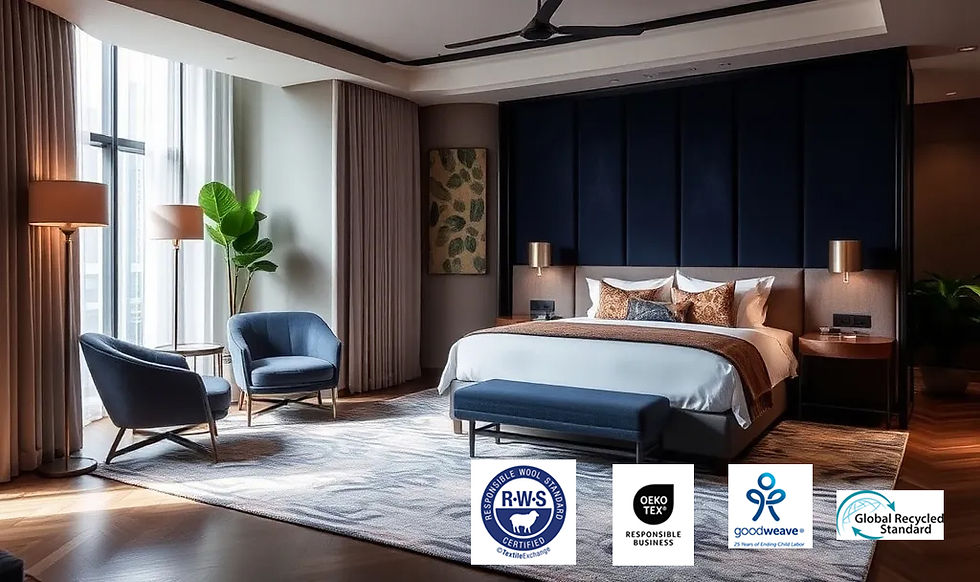
Beyond the fiber itself, production standards matter. Rugs tested under strict safety protocols ensure that dyes and treatments are free from harmful substances. OEKO-TEX® certified rugs, for example, meet international testing criteria for chemical safety, offering reassurance to families and commercial buyers alike.
This certification is particularly valuable in markets with strict import regulations. It demonstrates that a rug has been responsibly produced, combining beauty with compliance.
The Role of Skilled Manufacturing
Material quality is only one part of the equation. The expertise of a rug manufacturer from Bhadohi plays a critical role in transforming raw fiber into a finished masterpiece. Skilled artisans understand how different materials behave—how tightly to weave them, how they respond to dye, and how to finish them properly.
Bhadohi’s long-standing weaving tradition ensures that natural fibers are handled with care and precision. The result is rugs that balance material integrity with aesthetic appeal.
Matching Material to Lifestyle
Selecting the best material ultimately depends on where and how the rug will be used. For high-traffic living areas, wool or sisal may be the most practical. For bedrooms and relaxed spaces, cotton or jute can add softness. For eco-focused interiors, hemp or abaca provides sustainability without sacrificing style.
Each material brings its own character to a space—some soft and plush, others textured and earthy. By understanding these differences, buyers can make informed decisions that align with both functionality and design vision.
Final Thoughts
The best material for a handmade rug is not universal—it depends on lifestyle, aesthetic preference, and environmental priorities. From resilient wool to sustainable plant fibers, today’s choices allow homeowners and designers to blend comfort, durability, and responsibility.
When carefully selected and expertly crafted, the right material transforms a rug from a simple furnishing into a lasting foundation for everyday living.


Comments