


5 Common Concerns for First-Time Rug Importers from India

India has long been known as the global heart of handmade rug production — from the bustling looms of Bhadohi, the “Carpet City of India,” to the artisan clusters of Jaipur and Varanasi. Indian rug manufacturers and exporters have earned a worldwide reputation for producing luxury hand-knotted rugs, modern flatweave rugs, and custom carpets that blend tradition with innovation. Yet, for first-time rug importers, stepping into this intricate world of textiles and trade can seem overwhelming.
If you’re planning to source handmade rugs, wool carpets, or silk area rugs from India, here are five common concerns new importers face — and how experienced exporters address them with transparency, reliability, and craftsmanship.

1. Understanding Quality Standards and Materials
One of the first questions that arises is: How do I know I’m getting export-quality rugs?
India’s rug industry is diverse — encompassing hand-knotted rugs, hand-tufted rugs, and handwoven carpets made from premium materials like New Zealand wool, natural silk rugs, jute rugs, cotton, and wool blends. Reputed rug exporters ensure strict quality control at every production stage — from dyeing and weaving to finishing and inspection.
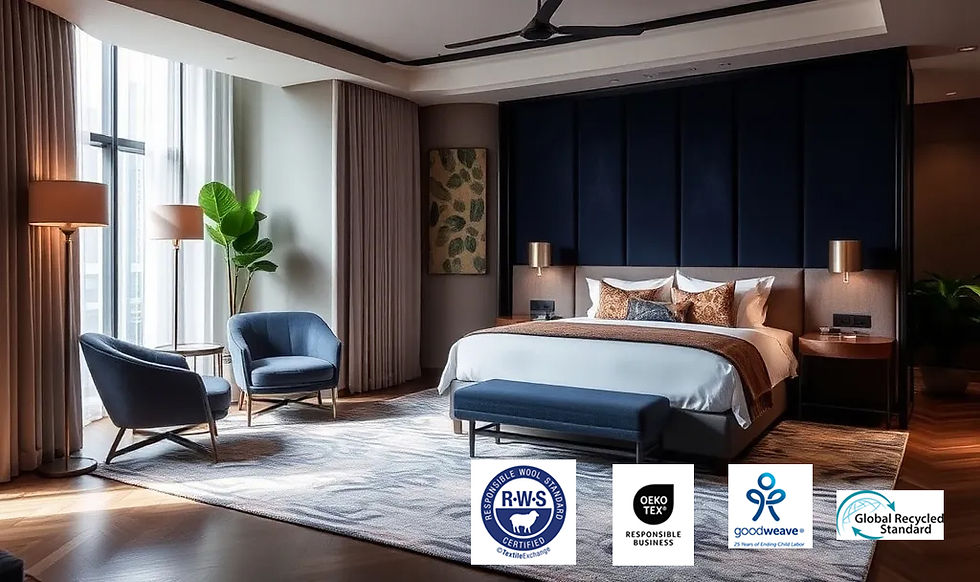
Buyers should look for certifications that guarantee authenticity and ethical practices:
Wool mark License (for wool carpets)
RWS Certified Wool (Responsible Wool Standard)
Good Weave Certification (ensuring child-labour-free production)
CEPC Registration (Carpet Export Promotion Council of India)
When you partner with an established carpet weaving company in India, you receive detailed material specifications, quality reports, and even progress photos during production. These steps ensure that your luxury area rugs meet both design and durability expectations.
2. Managing Communication and Customization
Custom rug orders can be tricky — especially when working across time zones. Importers often worry about whether their design vision will translate accurately onto the loom.
Indian exporters are increasingly adapting to global business practices, offering 3D design visualizations, CAD drawings, and digital mock-ups before production begins. This makes it easier for clients to confirm patterns, colors, and sizes.
Whether you’re ordering a boho chic rug, a modern geometric rug, or a bespoke hand-knotted carpet for a hotel rug project, exporters from regions like Bhadohi and Jaipur now maintain dedicated design and client service teams to ensure seamless communication.
Pro Tip: Choose a custom rug manufacturer in India with a clear sampling process — sending physical swatches before full production. It helps bridge expectations and ensures your finished rugs align perfectly with your brand aesthetic.
3. Shipping, Logistics, and Documentation
For many first-time buyers, the logistics of international trade are a source of concern. From freight forwarding and customs clearance to insurance and documentation, importing carpets involves multiple steps.
Established Indian rug exporters simplify this process through end-to-end support:
Packing and labeling rugs according to international standards.
Handling export documentation, including invoices, packing lists, and certificates of origin.
Coordinating door-to-port or door-to-door shipping via trusted freight partners.
Many suppliers also provide DDP (Delivered Duty Paid) or CIF (Cost, Insurance, and Freight) terms to make the process hassle-free for new importers.
When working with CEPC-approved rug exporters or Good Weave-certified rug suppliers, you gain an additional layer of reliability — ensuring your rugs are legally and ethically exported.
4. Pricing Transparency and Bulk Order Management
First-time importers often fear hidden costs or fluctuating pricing. The best way to avoid this is to partner directly with a factory-direct rug manufacturer in India, eliminating middlemen.
Transparent exporters will provide:
Itemized quotations (including material, weaving technique, and finishing costs).
Clear timelines for production and delivery.
Bulk order discounts and tiered pricing for wholesale buyers.
If you’re sourcing for a rugs for retail store, rugs for boutique hotel, or large design project, you can benefit from private label rug production or OEM manufacturing services. These programs let you brand rugs under your own label while relying on India’s skilled artisans and advanced looms.
Cities like Bhadohi, Panipat, and Mirzapur are renowned for handling large-volume rug exports, catering to international buyers who value both quality and scalability.
5. Sustainability and Ethical Sourcing
With growing global demand for sustainable rugs, many buyers now prioritize eco-friendly production. Importers may worry whether their handmade rug suppliers align with these values.
Fortunately, India is leading the movement toward sustainable and ethical rug manufacturing. Many exporters use organic rug fibers like Abaca, jute, hemp, and bamboo, alongside eco-friendly dyes and energy-efficient production methods.
You can specifically request sustainable rug collections or Fair Trade-certified rugs that support local communities while reducing environmental impact.
Exporters committed to ethical craftsmanship often reinvest in artisan welfare programs, skill training, and women-led weaving cooperatives — ensuring every rug tells a story of empowerment and responsibility.
Partnering with Confidence: Building Long-Term Relationships
Importing rugs from India doesn’t just mean buying a product — it’s about building partnerships with skilled artisans and trusted rug manufacturers. The most successful importers treat their suppliers as long-term collaborators, fostering mutual trust, consistent quality, and creative innovation.
When you work with a certified carpet exporter from India, especially from Bhadohi — known as the epicenter of hand-knotted rug artistry — you’re not only gaining a product but also a legacy of craftsmanship. Whether it’s a tribal pattern rug, modern abstract carpet, or luxury bespoke area rug, every piece represents India’s centuries-old tradition refined for contemporary global markets.
Final Thoughts
Every first-time importer faces questions — about quality, communication, logistics, pricing, and sustainability. But with the right exporter, these concerns quickly turn into confidence. India’s rug manufacturers have evolved to meet global standards in rug manufacturing, ensuring your investment delivers unmatched value.
So, when you’re ready to source from the India’s best rug manufacturers, look toward India — where craftsmanship meets commerce, and every thread weaves a story of trust, beauty, and excellence.


Comments