


What certifications do rug exporters need?

In the global home décor market, quality alone is no longer enough. International buyers today look for assurance—proof that a product is safe, responsibly made, and compliant with regulations in their country. For exporters in the carpet industry, certifications act as that proof. They build trust, open doors to premium markets, and distinguish serious producers from casual suppliers. Understanding which certifications matter helps buyers make informed decisions and helps exporters position themselves as reliable partners.
Why Certifications Matter in the Rug Industry
Rugs are not just decorative items; they are functional textiles used daily in homes, hotels, offices, and public spaces. Because they come into constant contact with people, certifications related to safety, environmental impact, and ethical production are especially important. For exporters, certifications reduce barriers at customs, meet retailer compliance requirements, and reassure architects, designers, and institutional buyers.
Export Compliance and Business Certifications
Before product-specific certifications even come into play, exporters must meet basic regulatory requirements. Registration with export promotion councils, valid Import Export Codes (IEC), and compliance with customs documentation are essential. For a rug manufacturer from india, these credentials establish legitimacy and allow participation in international trade fairs, tenders, and long-term contracts.
Craft-Based Certifications and Product Integrity
Buyers sourcing hand made rugs often want assurance that the products are genuinely artisanal rather than mass-produced. While craftsmanship itself is difficult to certify formally, export documentation, artisan declarations, and region-specific registrations help verify authenticity. These assurances are especially valuable when rugs are marketed as premium or culturally significant products.
Construction-Specific Quality Expectations
Different rug constructions come with different buyer expectations. For example, hand knotted rugs are often associated with durability, intricate workmanship, and long production timelines. Certifications related to quality management systems help exporters demonstrate consistency in processes, even when production is manual. Similarly, hand tufted rugs are evaluated for backing materials, adhesives, and finishing methods, making safety and material compliance particularly important.
Certifications for High-Value and Long-Life Rugs
Products positioned as heirloom rugs are expected to last generations. For these, buyers look beyond aesthetics to long-term material stability and safe dyeing practices. Certifications that address fiber quality, colorfastness, and chemical safety help reinforce the claim of longevity and value, especially in luxury and collector markets.
Safety and Chemical Compliance Standards
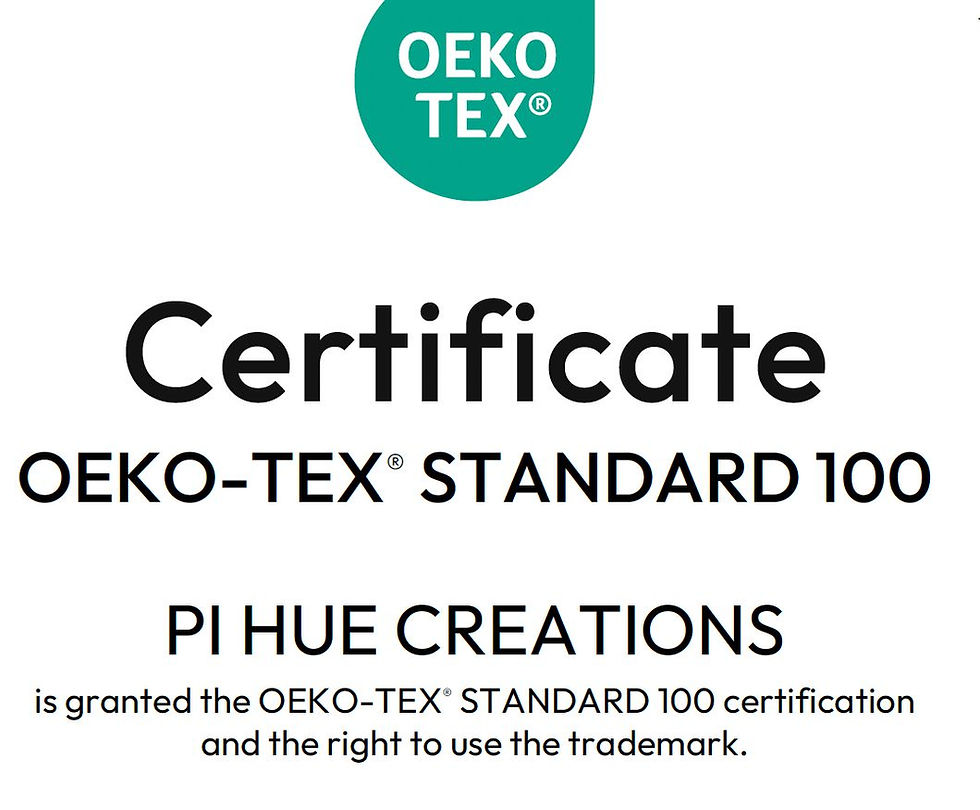
One of the most widely recognized certifications in the global textile industry is OEKO-TEX®. OEKO-TEX® certified rugs are tested for harmful substances, ensuring they are safe for everyday use. This is particularly important for rugs used in living spaces, hospitality environments, and homes with children or pets. The certification covers yarns, dyes, and finished products, making it highly relevant for exporters targeting Europe, North America, and other regulated markets.
Environmental and Responsibility-Focused Certifications
As demand grows for sustainable rugs, buyers increasingly expect transparency around materials and production methods. Certifications related to responsible sourcing, reduced environmental impact, and safe manufacturing practices help exporters align with global sustainability goals. These standards are often decisive factors for eco-conscious brands, green building projects, and socially responsible retailers.
Manufacturer-Level Certification Advantages
Being recognized as an OEKO-TEX® certified rug manufacturer goes beyond certifying individual products. It signals that the exporter follows controlled processes, maintains traceability of materials, and commits to ongoing compliance. For international buyers, this reduces risk and simplifies sourcing, as they can rely on a consistent standard across collections rather than verifying each item separately.
Additional Quality and Management Certifications
Many exporters also adopt internationally recognized management system certifications such as ISO standards. While not product-specific, these demonstrate strong internal controls, documentation, and quality assurance practices. For large-volume buyers and institutional clients, such certifications often play a role in supplier shortlisting.
Choosing the Right Certifications
Not every exporter needs every certification. The right combination depends on target markets, product positioning, and buyer expectations. A supplier focusing on luxury residential projects may prioritize safety and material certifications, while one supplying commercial interiors may emphasize compliance, consistency, and sustainability credentials.
Final Thoughts
Certifications are more than paperwork—they are a language of trust in international trade. They help buyers compare suppliers, ensure compliance with regulations, and align purchases with values such as safety, ethics, and environmental responsibility. For rug exporters, investing in the right certifications strengthens credibility, expands market access, and supports long-term growth in an increasingly discerning global marketplace.


Comments