


Empowering Artisan Communities: The Social Fabric Woven by Rug Exports

Updated: Jul 25
In the heart of a global marketplace driven by speed and automation, the story of an Indian hand-knotted rug stands apart. It is not just a product; it is a repository of history, a testament to human skill, and a powerful engine for social and economic change. As a leading rug manufacturer in India and a global rug exporter, we witness firsthand how the demand for authentic, handmade rugs from discerning international buyers does far more than adorn living rooms and hotel lobbies. It actively weaves a stronger, more equitable future for the artisan communities who are the true soul of this craft.

Beyond Commerce: Preserving Heritage and Identity
The intricate knots of a Persian rug, the bold geometry of a Kilim rug, and the plush texture of a hand-tufted masterpiece are not mere design choices. They are the visual language of cultures, with patterns and techniques passed down through families for generations. For many communities in weaving hubs like Bhadohi, this is more than a vocation—it is an intrinsic part of their identity.
When a consumer in Europe or North America chooses to buy a handmade rug online from a reputable exporter, they are directly contributing to the preservation of this intangible cultural heritage. Their purchase validates these ancient skills, making it economically viable for a new generation to see weaving not as a fading relic, but as a respected and sustainable career. This cycle ensures that centuries of knowledge are not lost but are instead celebrated and perpetuated on the world stage.
The Ripple Effect of Fair and Direct Trade
The social impact of responsible rug exports begins with the principle of fair compensation. Ethical carpet manufacturers in India who operate as direct private label carpet exporters or OEM rug production partners for international brands establish transparent supply chains. This model ensures that a significant portion of the final sale price flows back to the weavers and their cooperatives.
The effects of this fairness are profound and multifaceted:
Economic Stability: Artisans gain reliable income, lifting families out of precarious financial situations and providing security for healthcare, nutrition, and home improvement.
Empowerment and Equality: The rug industry, particularly through collectives and ethical exporters, has become a significant source of empowerment for women. It offers them a skilled trade, financial independence, and a respected voice within their households and communities.
Community Development: Sustained, fair-trade income funds local infrastructure—better schools for children, access to clean water, and community centers. The craft becomes a cornerstone for holistic community development.
From Artisan to Artist: The Rise of Collaborative Creation
The modern export market has evolved beyond simply replicating antique patterns. Today’s luxury area rugs manufacturer or designer rug manufacturer India often works in close collaboration with artisans. This partnership treats weavers not as mere laborers, but as co-creators and artists.
When an interior designer commissions a bespoke rug or a custom made area rug, they are tapping into this collaborative spirit. The artisan’s mastery of technique is combined with contemporary design sensibilities—perhaps translating a neutral palette rug concept or a modern rug design into a hand-knotted reality. This process elevates the weaver’s role, fosters creative pride, and results in truly unique artisan rugs that command respect and value in the global luxury market, whether for a hotel rug project or a private living room rug.
Choosing a Legacy: How Your Purchase Makes a Difference
For the conscious consumer or design professional, understanding this impact transforms the act of purchasing a rug. It becomes an intentional choice to support human dignity and cultural preservation. Here’s how to ensure your selection has a positive social impact:
Seek Transparency: Partner with exporters and handmade rugs online platforms that openly share their artisan partnerships, production processes, and fair-trade credentials.
Value Craftsmanship: Recognize that the price of a genuine hand-knotted rug or a custom rug reflects thousands of hours of skilled labor and sustains entire ecosystems of craft.
Ask the Story: Choose retailers who tell the story behind the rug—the region it came from, the techniques used, and the people who made it. A bespoke carpet maker should be proud to connect you with the narrative of your piece.
Weaving a Better Future, One Knot at a Time
The export of handmade rugs from India is a powerful narrative of global connection. It proves that commerce can be a force for cultural good and social empowerment. Each exquisite wool rug or silk rug that finds a home overseas represents more than aesthetic beauty; it represents a child’s education, an artisan’s dignity, a woman’s independence, and a community’s thriving future.
When you choose a rug woven with this ethic, you do more than decorate a space. You become part of a legacy—a partner in preserving ancient art and empowering the hands that create it. You help ensure that with every knot tied, we are weaving a stronger, more beautiful, and more equitable world.
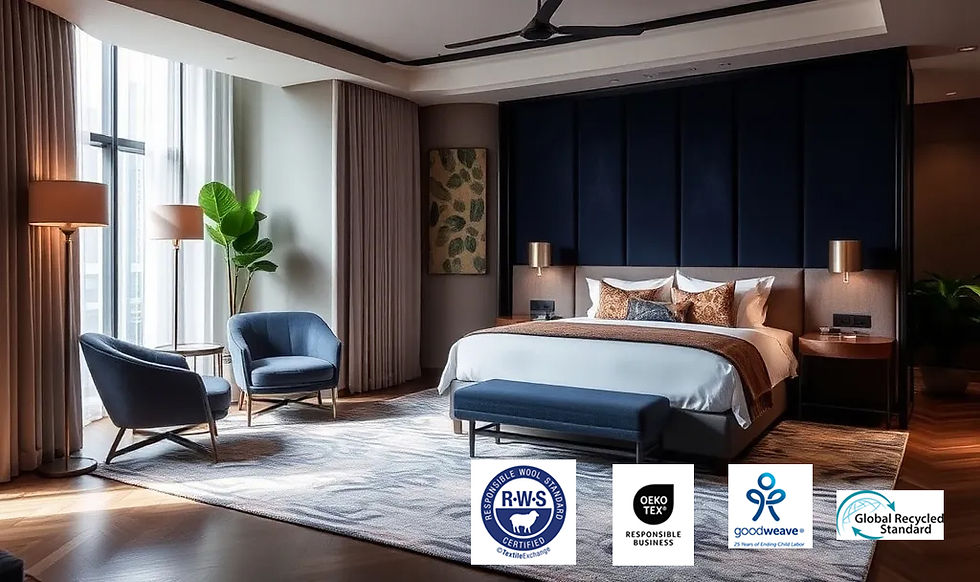
Working with a certified carpet manufacturer in India ensures quality, ethics, and reliable delivery for every project.
#RugManufacturerIndia #HandmadeRugIndia #CarpetManufacturerIndia #CarpetManufacturer #GlobalRugExporter #BespokeCarpetMaker #BhadohiRugs #OEMRugProduction #PrivateLabelCarpet #HandKnottedRugManufacturer #DesignerRugManufacturer #HandmadeRugs #HandKnottedRugs #ArtisanRugs #WoolRugs #SilkRugs #CustomRugs #BespokeRugs #DesignerRugs #PersianRugs #KilimRugs #TraditionalRugs #VintageRugs #ModernRugs #NeutralPaletteRug


Comments