


How to Specify the Perfect Custom Rug for Your Hotel: A Rug Buyer's Checklist

Designing a hotel space is about creating an experience—one that guests remember long after checkout. Among all the elements that shape this experience, rugs play a surprisingly powerful role. From defining spaces to enhancing comfort and reinforcing brand identity, the right rug can transform an ordinary interior into something exceptional. But specifying the perfect rug requires more than just choosing a design—it demands a strategic approach.
Here’s a practical checklist to help you select the ideal rug solution for your hospitality project.

1. Define the Purpose of Each Space
Before diving into materials or patterns, start by identifying where the rug will be used. Different areas of a hotel have different functional needs. For instance, Custom rugs for Hotels must align with both design and durability expectations across spaces like lobbies, suites, and dining areas. Also look for OEKO-TEX® Standard 100 certification rugs.
High-traffic zones such as entrances and corridors require resilient options, while guest rooms may prioritize comfort and softness. Being clear about purpose ensures you select rugs that perform as well as they look.
2. Choose the Right Rug Type
Every hotel layout includes a mix of rug styles tailored to specific zones. Long corridors benefit from Runner rugs, which guide movement while adding visual continuity. Social spaces such as lounges and waiting areas are enhanced by Lounge area rugs that anchor furniture and create a cozy atmosphere.
Similarly, transitional spaces often rely on Hallway rugs to protect flooring and maintain design flow. For grand entrances or event areas, a statement Red carpet can create a sense of luxury and occasion.
3. Prioritize Durability and Maintenance
Hospitality environments demand materials that can withstand heavy use. Whether you’re specifying Hotel carpets or standalone rugs, durability should be a top priority. Consider fiber types like wool blends or performance yarns that resist wear, stains, and fading.
Equally important is ease of maintenance. Opt for constructions and finishes that allow for regular cleaning without compromising texture or color. This reduces long-term operational costs and keeps the space looking fresh.
4. Select the Right Construction Technique
The way a rug is made significantly impacts its performance and aesthetic. Handmade rugs offer unmatched craftsmanship and uniqueness, making them ideal for luxury settings.
For projects requiring longevity and intricate detailing, Hand-knotted rugs are a premium choice. They are durable, timeless, and often considered investment pieces. On the other hand, Hand-tufted rugs provide a balance between quality and cost, making them suitable for large-scale installations where budget efficiency matters.
5. Align Design with Brand Identity
A hotel’s interior should tell a cohesive story. Rugs can reinforce this narrative through color, texture, and pattern. Whether your brand leans toward minimal elegance or bold luxury, ensure the rug design complements the overall theme.
Custom designs allow you to incorporate brand colors, motifs, or even architectural elements into the rug. This level of personalization helps create a memorable and immersive guest experience.
6. Consider Size and Proportion
One of the most common mistakes in rug specification is incorrect sizing. A rug that’s too small can make a space feel disconnected, while one that’s too large may overwhelm the layout.
Measure each area carefully and consider furniture placement. In lounges, rugs should ideally sit under key furniture pieces, while in corridors, they should align proportionally with the walkway. Getting the scale right enhances both functionality and visual balance.
7. Focus on Comfort and Acoustics
Rugs do more than decorate—they improve comfort and acoustics. In guest rooms and lounges, softer textures underfoot create a welcoming environment. In busy areas, rugs help absorb noise, contributing to a शांत and relaxing ambiance.
This is especially important in large hotels where sound control can significantly impact guest satisfaction.
8. Source from the Right Partner
Choosing the right supplier is just as important as choosing the rug itself. Working with a trusted Rug manufacturer from India gives you access to skilled craftsmanship, customization options, and competitive pricing.
Many manufacturers now offer Online rugs services, allowing you to explore collections, request samples, and collaborate on designs remotely. This streamlines the sourcing process, especially for international buyers and large projects.
9. Evaluate Sustainability and Ethics
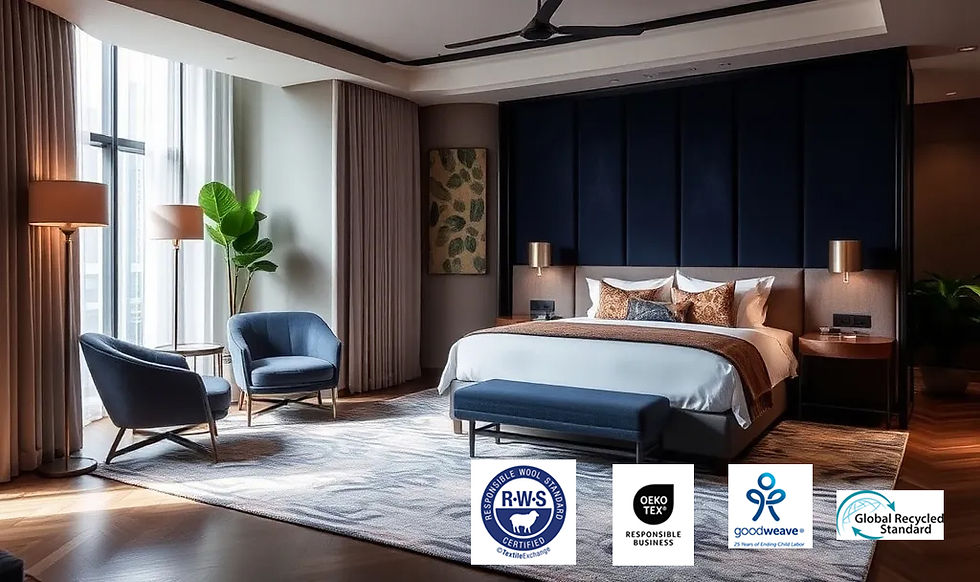
Modern hospitality design increasingly values sustainability. Look for rugs made using eco-friendly materials and ethical production practices. This not only supports responsible manufacturing but also appeals to environmentally conscious guests.
Certifications and transparent sourcing processes can help you ensure your rugs align with global sustainability standards.
10. Plan for Logistics and Installation
Finally, consider the practical aspects of delivery and installation. Custom rugs often require precise timelines, especially for large hotel projects. Coordinate with your supplier to ensure smooth production, shipping, and on-site installation.
Proper planning avoids delays and ensures that the rugs are ready when your project reaches completion.
Final Thoughts
Specifying the perfect rug for a hotel is both an art and a science. It involves balancing aesthetics, functionality, and durability while staying true to your brand vision. By following this checklist, you can make informed decisions that elevate your interiors and enhance the guest experience.
In the world of hospitality, every detail matters—and the right rug can quietly become one of the most impactful design elements in your space.


Comments