


Why OEKO-TEX® Certification Is the Future of the Global Rug Industry

As sustainability becomes a non-negotiable priority for consumers, designers, and global buyers, the rug industry is undergoing a significant transformation. Today, beauty alone is no longer enough—buyers want assurance that their rugs are safe, ethical, and environmentally responsible. This shift is why OEKO-TEX® certification is rapidly emerging as the future benchmark for the global rug industry.
From OEKO-TEX® rugs in luxury residences to large-scale hospitality and retail projects, certification is shaping purchasing decisions worldwide.
The Growing Demand for Safe & Sustainable Rugs
Modern consumers are more informed than ever. They ask critical questions: Are the materials safe? Are harmful chemicals used in dyeing or finishing? Is the rug suitable for children and pets?
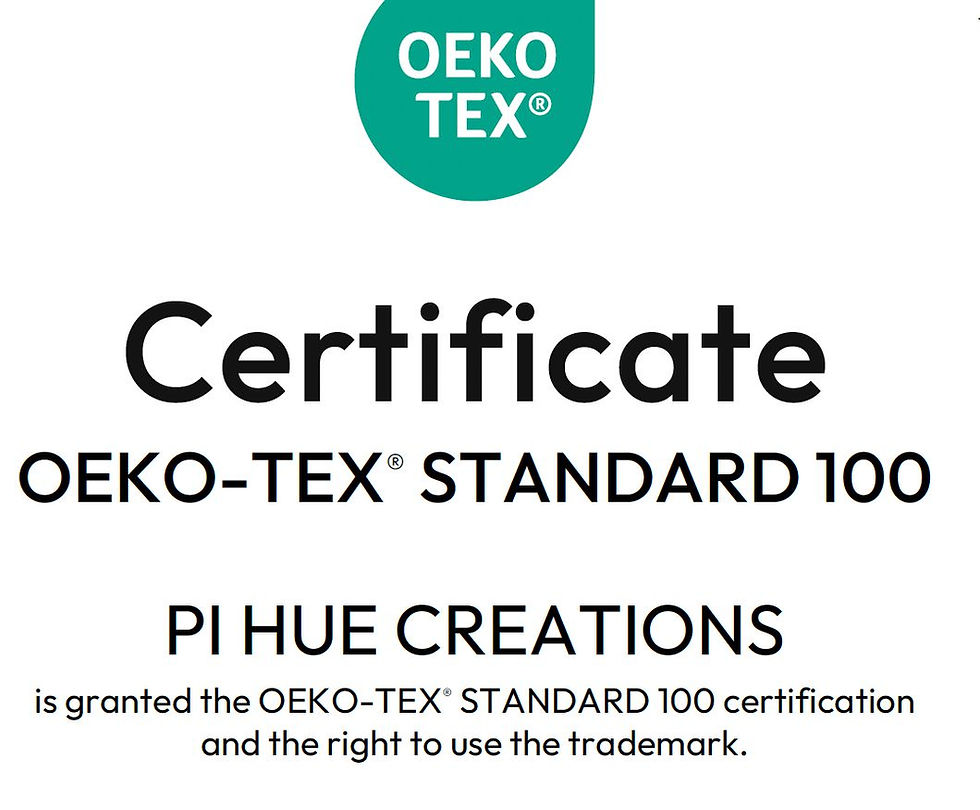
OEKO-TEX® certification answers these concerns. An OEKO-TEX® rug manufacturer ensures that every component—from yarn and dyes to backing materials—has been tested against strict international standards for harmful substances.
As a result, OEKO-TEX® certified rugs are increasingly preferred in:
Homes with children and pets
Eco-conscious residential projects
Hotels, resorts, and wellness spaces
International retail and e-commerce markets
What Makes OEKO-TEX® Certification So Important?
OEKO-TEX® is not just a label—it’s a globally recognized assurance system. For a carpet manufacturer, achieving this certification means maintaining transparency and accountability throughout production.
Certified rugs are tested for:
Harmful chemicals and toxins
Azo dyes and heavy metals
Formaldehyde and pesticides
pH values safe for human contact
Whether producing handmade rugs, handknotted rugs, or hand tufted rugs, OEKO-TEX® certification confirms that beauty and safety can coexist.
Elevating Handmade & Heirloom Rugs
Handcrafted rugs have always represented heritage, craftsmanship, and longevity. However, the modern buyer expects more than tradition alone.
OEKO-TEX® certified heirloom rugs bridge the gap between age-old weaving techniques and contemporary sustainability expectations. Artisans can continue crafting timeless designs—while ensuring that materials and processes meet today’s global health standards.
This is especially important for rugs meant to last generations, where safety and durability are essential.
Supporting Diverse Rug Styles & Materials
One of the strengths of OEKO-TEX® certification is its adaptability across materials and styles. Certified manufacturers can offer a wide range of designs without compromising environmental responsibility, including:
Boho rugs with soft textures and earthy tones
Moroccan rugs known for minimalism and cultural depth
Persian rugs celebrated for intricate detailing and heritage
Abaca rugs made from natural plant fibers
Contemporary and classic handmade rugs
Regardless of style or fiber, OEKO-TEX® certification ensures consistency, safety, and quality.
A Competitive Advantage for Rug Manufacturers
For a modern carpet manufacturer, OEKO-TEX® certification is no longer optional—it’s a strategic advantage. International buyers increasingly shortlist suppliers based on compliance with global sustainability standards.
Certified manufacturers benefit from:
Easier access to European and North American markets
Increased trust among designers and architects
Stronger brand credibility in export markets
Long-term partnerships with ethical retailers
In many cases, OEKO-TEX® certification becomes a deciding factor between two visually similar products.
Aligning with Global Sustainability Goals
The global rug industry is aligning itself with broader sustainability goals—reduced environmental impact, safer living spaces, and ethical production practices.
OEKO-TEX® certified processes often encourage:
Responsible dyeing techniques
Reduced chemical discharge
Safer working environments
Improved traceability in supply chains
These practices help manufacturers future-proof their businesses while contributing positively to people and the planet.
Meeting the Expectations of Designers & Architects
Interior designers and architects increasingly specify OEKO-TEX® rugs in projects where wellness is a priority. From luxury residences to hospitality spaces, certified rugs offer peace of mind without compromising design freedom.
Design professionals value OEKO-TEX® rugs for:
Indoor air quality assurance
Compliance with green building standards
Transparency for client presentations
This makes OEKO-TEX® certification an essential asset for manufacturers serving high-end and commercial projects.
The Future of Rugs Is Certified
As regulations tighten and consumer awareness grows, certification will define the future of the rug industry. OEKO-TEX® represents a shift from reactive compliance to proactive responsibility.
The future belongs to rug manufacturers who understand that:
Sustainability drives long-term demand
Transparency builds global trust
Safety is as important as aesthetics
OEKO-TEX® certification ensures that rugs are not just beautiful floor coverings—but safe, ethical, and globally relevant products.
Conclusion
OEKO-TEX® certification is more than a trend—it’s a transformative force shaping the future of the global rug industry. For every OEKO-TEX® rug manufacturer, it represents a commitment to quality, safety, and sustainability.
As buyers continue to seek responsibly made boho rugs, Moroccan rugs, Persian rugs, abaca rugs, handknotted rugs, hand tufted rugs, and heirloom rugs, OEKO-TEX® certified rugs will lead the way—
Working with a certified carpet manufacturer in India ensures quality, ethics, and reliable delivery for every project.


Comments