


Anti‑Microbial & Hypoallergenic Carpets and Rugs: Specifying for Daycares, Clinics & Senior Living

Flooring in sensitive environments does more than cover a subfloor. It must actively protect the people who walk, crawl, and rest upon it. In daycares, clinics, and senior living facilities, the stakes are higher. Spills, germs, allergens, and daily wear demand a surface that is not only durable but also hygienic. Specifying the wrong product can lead to increased illness, allergic reactions, and maintenance headaches.
This guide explains what to look for in advanced carpet solutions, including construction methods, material science, and where to source them responsibly.

Why Standard Flooring Falls Short
Conventional carpets trap dust, pollen, mould spores, and bacteria deep within their pile. In a daycare, crawling infants and toddlers breathe air just centimetres above that reservoir. In a clinic, pathogens can linger for hours. For elderly residents with compromised immune systems or respiratory conditions, a standard carpet becomes a liability.
What is needed are products designed from the natural fiber up to resist microbial growth, reduce allergens, and allow thorough cleaning. These are often called anti‑microbial carpets. They incorporate natural fibers like Jute and Abaca into the yarn or backing, actively suppressing bacteria, fungi, and mildew. Unlike topical sprays that wash away, built‑in antimicrobial protection lasts the life of the carpet.
Creating Healthier Indoor Air
For patients and residents with asthma, eczema, or chemical sensitivities, hypoallergenic carpets are essential. Hypoallergenic does not mean zero allergens, but it means the carpet is constructed from materials and with processes that minimise allergen retention. Key features include:
Low or no volatile organic compound (VOC) emissions
Dense, low‑pile construction that prevents deep particle embedding
Fibres that resist moisture, a primary enabler of dust mites and mould
In medical facilities, hypoallergenic rugs for healthcare often combine these traits with antimicrobial properties. They are used in patient rooms, waiting areas, and therapy spaces where comfort and cleanliness must coexist.
Specialised Solutions for Daycares
A daycare floor endures spilled milk, paint, glue, and countless bare feet. It must be cleaned multiple times daily without degrading. Antimicrobial flooring for daycares offers the ideal solution. The built‑in protection reduces bacterial growth between cleanings, while a stain‑resistant treatment allows staff to spot‑clean with water‑based solutions.
Additionally, daycares require softness for fall protection. A carpet with a dense foam backing cushions toddlers without creating tripping hazards. Look for products certified by third‑party laboratories for antimicrobial efficacy, such as those meeting ISO: 9001-2015 Certified For Quality Management.
The Demands of Clinical Interiors
Hospitals and outpatient clinics have the highest hygiene standards. Germs‑resistant carpets go beyond simple antimicrobial additives. They often feature:
Seamless, fluid‑repellent backings that prevent spills from reaching the subfloor
Heat‑set nylon fibres that do not absorb liquids
Ability to withstand frequent wet‑extraction cleaning with hospital‑grade disinfectants
In operating theatre corridors or emergency department waiting rooms, these carpets reduce surface bioburden without sacrificing acoustic comfort. Quiet floors improve patient outcomes by lowering stress.
Protecting the Most Vulnerable
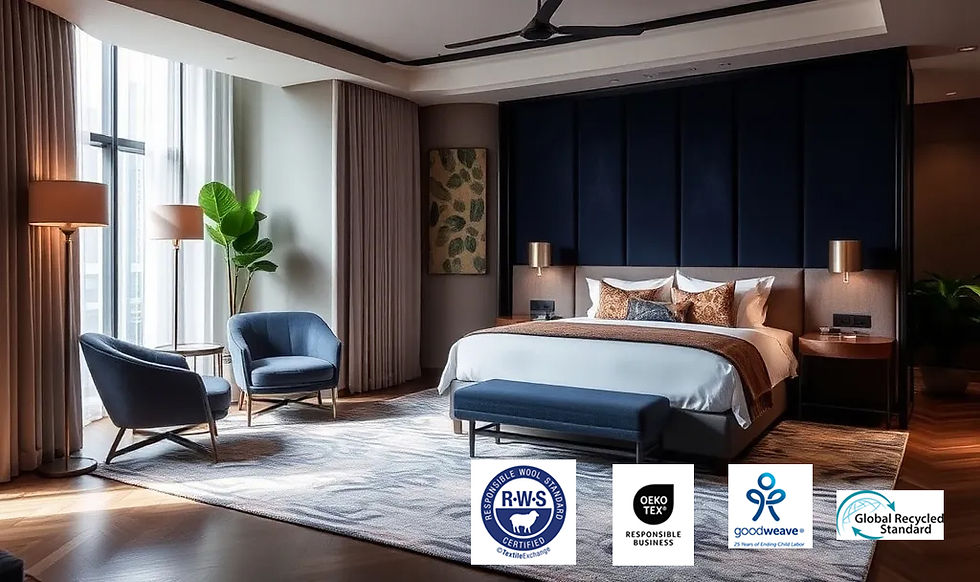
Senior living environments present a unique set of challenges. Elderly residents often have frailer skin, reduced immune function, and multiple allergies. Non‑toxic carpets for children and elderly are independently tested to ensure they contain no heavy metals, phthalates, formaldehyde, or other harmful substances. Certifications such as OEKO‑TEX® Standard 100 and GREENGUARD Gold are essential.
These carpets also prioritise slip resistance and low pile height to reduce fall risks. A smooth, dense surface allows walkers and wheelchairs to move easily while still providing underfoot warmth.
Design That Works in Healing Spaces
Healthcare interiors are moving away from sterile white corridors. Biophilic design, warm neutrals, and soft patterns improve mood and recovery rates. Antimicrobial rugs for healthcare interiors now come in a wide range of colours and textures, allowing designers to create welcoming environments without compromising infection control.
For example, a calming blue patterned rug in a chemo therapy lounge can reduce anxiety while its antimicrobial backing keeps it hygienic. The same rug, when specified correctly, meets both aesthetic and clinical goals.
Low‑Allergen Options for Childcare Centers
Daycare directors often ask for flooring that does not trigger asthma or eczema flare‑ups. Low‑allergen carpets for daycare centers are typically made from solution‑dyed nylon or polyester with a closed‑loop face. These materials do not absorb moisture, deny dust mites a food source, and release trapped particles easily during vacuuming.
Combined with a HEPA‑filtered vacuuming protocol, such carpets maintain indoor air quality even in high‑occupancy settings. Some also include anti‑static properties to prevent dust attraction.
Maintenance That Matters
Even the best antimicrobial carpet requires proper care. Easy‑clean anti‑microbial rugs are designed with low pile and stain‑resistant treatments. Spills can be blotted immediately, and the rug can be spot‑cleaned without leaving residues. For larger installations, a monthly hot‑water extraction with antimicrobial cleaning solution keeps the natural fibre protected.
Many healthcare facilities now schedule daily robotic vacuuming with UV‑C light attachments, further reducing pathogen load.
When Off‑the‑Shelf Is Not Enough
Sometimes a clinic, daycare, or senior home has unusual dimensions, logo requirements, or colour specifications. Custom carpets solve these problems. You can specify exact size, shape, pile height, antimicrobial additive, and backing type. Some manufacturers also offer bespoke colour matching to align with corporate branding or wayfinding systems.
For smaller spaces like a nursing home’s activity room or a paediatric clinic’s play area, custom rugs provide targeted protection. A round rug under a reading nook, a runner along a hallway, or a mat at an entrance can all be made to order with full antimicrobial and hypoallergenic properties.
Sourcing from the Right Partner
A rug manufacturer from India brings scale and technical expertise to this specialised category. Indian mills have invested heavily in certification and advanced fibre technologies. Many now produce carpets that meet US EPA, EU BPR, and other global antimicrobial standards. Their export experience ensures timely delivery and compliance with local fire safety codes.
When evaluating a supplier, request third‑party test reports for antimicrobial efficacy (e.g., AATCC 100), VOC emissions (California Section 01350), and allergen resistance. Also ask about the backing adhesive—low‑VOC, water‑based adhesives are essential for indoor air quality.
Final Recommendations by Facility
Daycares: Solution‑dyed nylon, antimicrobial treatment, stain repellent, soft backing for falls.
Clinics: Fluid‑repellent backing, heat‑set fibres, high‑tensile strength for frequent cleaning.
Senior living: Low pile, slip‑resistant, non‑toxic certified, warm neutral colours.
Specifying the right carpet protects health, reduces liability, and creates environments where healing, learning, and living flourish. Do not settle for standard when sensitive populations need the best.


Comments