


Bulk Rug Buying: How to Balance Price, Quality, and Delivery Timelines

Procuring rugs in bulk is a high-stakes operation. For a hotel chain, a corporate office, or a retail brand, the decision involves significant capital, tight deadlines, and exacting quality standards. Get it right, and the project is a success. Get it wrong, and you face costly delays, dissatisfied clients, and damaged reputation. Balancing price, quality, and delivery timelines is the central challenge of bulk rug buying. Here is a practical guide to navigating these competing priorities.

The Three Pillars of Bulk Buying
Every bulk rug purchase revolves around three interconnected elements: cost, craftsmanship, and calendar. These three pillars are in constant tension. A lower price might mean sacrificing quality or accepting longer lead times. A rush order will almost certainly command a premium. The skill lies in finding the optimal balance for your specific project.
Pillar One: Price
Price is often the most visible factor, but it should never be the only one. A low price on a bulk order can be tempting, but it often comes with hidden costs: inferior materials, inconsistent colour, or a supplier who cuts corners on quality control. When evaluating price, ask for a detailed breakdown. What is the cost of raw materials? What is the labour component? Are there additional charges for shipping, customs, or packaging? A transparent bulk rug supplier will provide this information willingly.
Pillar Two: Quality
Quality in bulk rug buying is not a single attribute. It encompasses materials, construction, durability, and aesthetics. A high-quality rug starts with premium fibres—whether wool, silk, jute, or a blend—and is constructed using skilled labour and rigorous quality control. For large-scale projects, consistency is paramount. The rug in room 101 must match the rug in room 201 exactly.
Pillar Three: Delivery Timelines
Timelines are often non-negotiable. A hotel opening, a corporate move-in, or a seasonal retail launch cannot be delayed without significant cost. When you need large-volume carpets by a specific date, you need a B2B rug manufacturer who can commit to a schedule and deliver on it. This means having sufficient production capacity, efficient logistics, and a transparent communication process.
Strategies for Balancing the Three Pillars
Work with a Vertically Integrated Supplier
A B2B rug manufacturer who controls the entire production process—from yarn spinning to weaving to finishing—can offer better pricing and more reliable timelines. A vertically integrated supplier eliminates the markups of intermediaries and has greater control over the production schedule. This efficiency often translates to faster lead times without sacrificing quality.
Understand the Construction Method
The construction of the rug directly impacts both price and durability. Handmade rugs are generally more expensive and time-consuming to produce but offer superior quality and longevity. Hand-knotted carpets, with each knot tied individually, are the gold standard for durability and investment potential. They command a premium price but can last for decades. Hand-tufted rugs, while faster and more affordable, are less durable. Matching the construction to the intended use and traffic level is essential.
Plan for Lead Times
Understanding the production timeline is essential. Production for bulk orders can range from 4 to 16 weeks, depending on the complexity and volume of the order. A custom rugs order will require additional time for design, sampling, and approval. Engaging a supplier early in the project planning phase is the most effective way to manage these timelines. The bulk of the delay comes from approvals and logistics. Ensure all decision-makers are aligned on sample approval.
Secure Colour Consistency
For a large-scale project involving area rugs and large volume carpets, colour consistency is critical. A single dye lot should be used for the entire order. A reputable B2B rug manufacturer will retain a master sample to ensure that later batches match the original. This is a key indicator of a supplier's quality control systems. Always request a strike-off sample for approval before full production begins.
Negotiate Pricing with a Clear Brief
When requesting quotes from a bulk rug supplier, provide a detailed brief. Specify the material, size, construction, quantity, and desired delivery date. This allows the supplier to provide an accurate quote and identify potential cost-saving opportunities. Bulk orders inherently command lower per-unit costs due to economies of scale. Ask about tiered pricing based on volume. For example, a hotel chain ordering rugs for multiple properties may achieve better pricing than a single-location project.
Evaluate the Supplier's Track Record
A proven track record with online rugs and carpets suppliers is a strong indicator of reliability. Ask for references from similar projects. Review their portfolio of completed work. A supplier with experience in your sector will understand the unique demands of your project.
Material Choices for Bulk Orders
The fibre you choose influences price, durability, and appearance. Wool rugs are a classic choice for commercial projects, offering natural resilience and stain resistance. Jute rugs are a sustainable and cost-effective option, but they are more susceptible to moisture. The choice of fibre should align with the specific demands of the space.
The Importance of Clear Communication
The most common cause of issues in bulk rug buying is miscommunication. Ensure all specifications are documented in writing. Confirm delivery dates and quality standards. A reliable area rug manufacturer will provide a project manager to act as a single point of contact, simplifying communication and ensuring accountability.
A Checklist for Bulk Buyers
Before placing a bulk order, ask your supplier these critical questions:
What is the lead time from sample approval to delivery?
What is the MOQ (minimum order quantity) for custom colours or sizes?
Can you guarantee colour consistency across the entire order?
What is your quality control process, and what are your hold points?
What is your policy on shipping damage or defects?
Real-World Scenario
Consider a hotel chain ordering 500 runners for a new property. They need high-quality handmade rugs that will withstand heavy foot traffic, match the brand's aesthetic, and arrive on time for the grand opening. A supplier offering a low price per unit but unreliable delivery could cost the hotel thousands in lost revenue. A supplier with a slightly higher price but a proven track record of on-time delivery and consistent quality is the smarter investment.
The Bottom Line
Balancing price, quality, and delivery timelines is the art of bulk rug buying. It requires a clear understanding of your project's priorities, careful supplier selection, and proactive communication. By partnering with a trusted B2B carpet manufacturer, you can confidently navigate these challenges and secure a successful outcome. Whether you are sourcing online rugs and carpets for a new office or custom rugs for a boutique hotel, the principles remain the same: clarity, transparency, and partnership. In the world of bulk rug buying, the best deal is the one that delivers on all three pillars
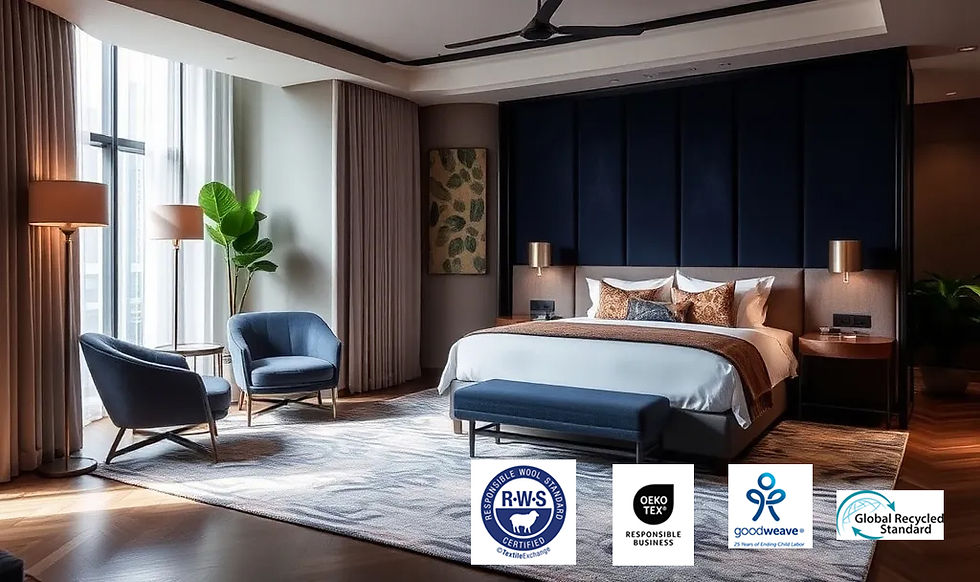
Working with a certified carpet manufacturer in India ensures quality, ethics, and reliable delivery for every project.


Comments