


Cultural Integration: The Art of Weaving Indian Heritage and Indian rugs into Western Interiors

Updated: Jul 25
In today's globalized design landscape, the most captivating interiors are those that tell a story—spaces that transcend geographical boundaries to create environments rich with character and soul. At the heart of this narrative-driven design movement lies a powerful tool for cultural integration: the handmade rug from India. Far more than mere floor coverings, these exquisite textiles serve as bridges between continents, seamlessly weaving India's centuries-old artistic heritage into the fabric of contemporary Western homes. As India's leading rug manufacturer and exporter to the USA, we've witnessed firsthand how these artisan-crafted pieces transform spaces, creating dialogues between tradition and modernity that resonate with today's discerning homeowners.
The New Language of Global Design
Contemporary interior design has evolved beyond rigid stylistic boundaries. The minimalist Scandinavian aesthetic now warmly embraces textured, organic elements. The clean lines of modern architecture frequently seek balance through pieces with history and handcrafted imperfections. This is where Indian carpets excel—they introduce depth, warmth, and narrative without overwhelming a space. A single hand-knotted rug from the storied looms of Bhadohi, the key carpet-weaving hub of Uttar Pradesh, can anchor an entire room, providing both visual weight and tactile comfort that synthetic alternatives cannot replicate.
Strategic Integration: Methods for Harmonious Blending
Successfully integrating an Indian rug into a Western interior requires thoughtful consideration. The goal is harmonious fusion, not thematic clash. Here are key approaches embraced by leading interior designers:
1. The Statement Piece in a Neutral Canvas -One of the most effective strategies uses an Indian rug as the definitive focal point in a room with a restrained color palette. Imagine a contemporary New York loft with concrete floors, white walls, and sleek furniture. A vibrant Dhurrie rug from Rajasthan in geometric patterns of saffron, crimson, and indigo immediately infuses the space with energy and artistry. The rug’s traditional motifs and vivid hues are given room to breathe and shine, creating a beautiful tension between the raw industrial setting and the meticulous craftsmanship underfoot.
2. Color Story Connection -Rather than matching exactly, modern design favors curated coordination. The rich, naturally-dyed colors found in Abaca rugs and silk-blend rugs from India—from earthy terracottas and ochres to deep jewel tones—can be selectively pulled out in other decor elements. A single color from the rug’s palette might appear in a throw pillow, a piece of artwork, or a ceramic vase. This creates a cohesive yet layered look, allowing the rug to be part of a larger, intentional color story.
3. Pattern Play and Scale - Contemporary Western interiors often use scale to create interest. A large-scale, traditional Mughal-style rug with intricate floral motifs (a specialty of hand-knotted craftsmanship) can be stunningly juxtaposed with the clean, simple lines of modern Scandinavian furniture. The contrast between the rug's complex, detailed pattern and the room's minimalist furnishings creates dynamic visual balance. Conversely, a hand-tufted rug with a more contemporary, abstract interpretation of Indian motifs can seamlessly blend into a transitional interior.
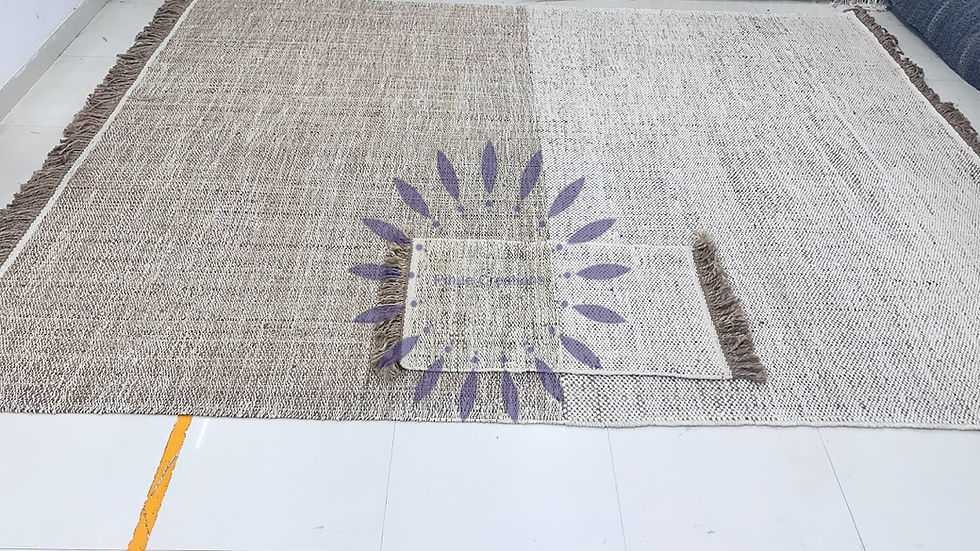
4. Texture as the Unifying Element - The inherent texture of handmade carpets is a powerful unifying tool. The varied pile of a hand-knotted wool rug, the flat weave of a cotton Dhurrie, or the shimmering surface of a viscose carpet adds a crucial layer of sensory richness. In a room dominated by smooth surfaces like glass, metal, and polished wood, the textural depth of an Indian rug introduces warmth and organic softness, making the space feel inviting and lived-in.
The Expert's Choice: Why Designers Source from India
For architects and interior designers, sourcing from India's premier carpet manufacturers is a decision rooted in quality, versatility, and authenticity. As a global rug exporter and the best carpet supplier in Uttar Pradesh, we provide professionals with unparalleled advantages:
Unmatched Craftsmanship: The handmade rug tradition in India, particularly from centers like Bhadohi, represents generations of skill. This results in superior durability and unique character.
Customization at Scale: The ability to create made-to-order rugs allows designers to specify exact dimensions, customize colors to a specific project's palette, and even collaborate on original designs that fuse Indian techniques with Western aesthetic sensibilities.
Material Innovation: From the resilience of woolen carpets to the rustic charm of jute rugs and the luminous elegance of viscose and silk blends, the material variety supports any design need, from high-traffic family homes to luxury boutique hotels.
Conclusion: Floors That Tell a Story
The integration of Indian rugs into Western interiors is no longer just an exotic accent; it is a sophisticated design philosophy. It represents a conscious choice to surround ourselves with objects of meaning—pieces that carry the imprint of human hands, the wisdom of ancient patterns, and the beauty of cross-cultural exchange.
In choosing a made in India rug, you select more than decor. You choose a legacy of artistry from the world's leading rug manufacturer, a touchpoint of warmth and history, and ultimately, a foundation for a home that is globally inspired and uniquely personal. It is where the timeless loom of India meets the modern heart of the Western home, creating spaces that are truly, and beautifully, integrated.
Working with a certified carpet manufacturer in India ensures quality, ethics, and reliable delivery for every project.
#RugsFromIndia #HandKnottedRugs #ArtisanMade #WovenArt #CarpetWeaving #UttarPradeshCrafts #TextileArt #MadeInIndiaRugs #ExportToUSA


Comments