


GoodWeave, Oeko-Tex®, and Beyond: Decoding Rug Certifications for the Conscious Buyer

In today’s global marketplace, buying a rug is no longer just about color, texture, or price—it’s about values. Conscious buyers are increasingly asking deeper questions: Who made this rug? Under what conditions? Are the materials safe for my home and the environment? Certifications have emerged as powerful tools to answer these questions, offering transparency and trust in an otherwise complex supply chain. But what do these labels really mean, and how can you decode them?

Why Rug Certifications Matter More Than Ever
The rug industry, especially in handmade sectors, spans multiple regions, cultures, and production methods. While this diversity results in beautiful craftsmanship, it can also make it difficult to trace ethical and environmental practices. Certifications act as a bridge between makers and buyers, ensuring that certain standards are met—from fair wages to chemical safety.
For conscious consumers, these certifications aren’t just labels; they represent accountability. They help distinguish between mass-produced goods and artisan made rugs, where human skill, time, and ethical production practices are integral to the final product.
Understanding GoodWeave: Ethical Craftsmanship at Its Core
One of the most respected certifications in the rug industry is GoodWeave International. Founded to combat child labor in carpet weaving, GoodWeave ensures that every certified rug is produced without child, forced, or bonded labor.
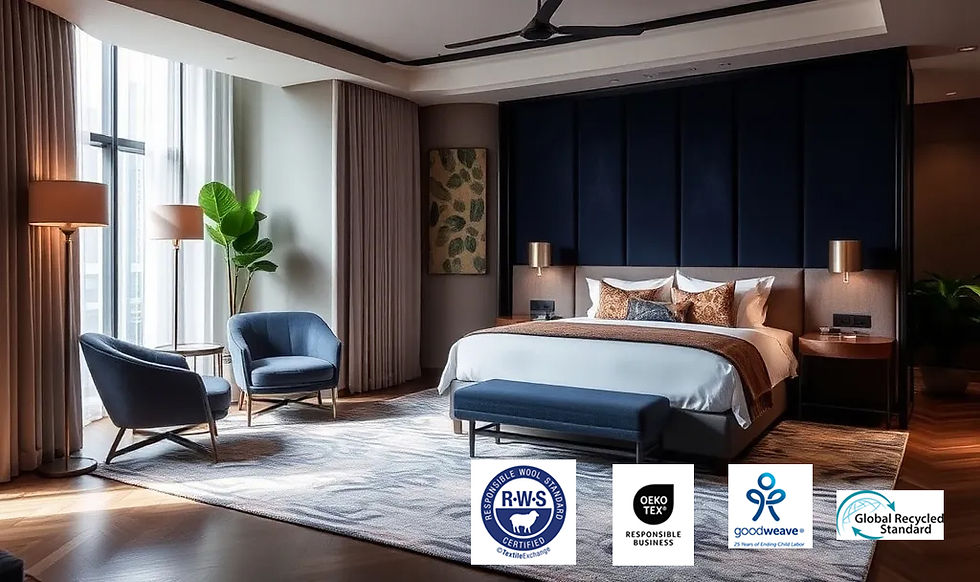
When you choose a Good weave certified rug manufacturer, you’re supporting a system that goes beyond compliance. GoodWeave conducts unannounced inspections of weaving facilities and provides education programs for children in weaving communities. Each rug comes with a unique label that allows buyers to trace its origin, offering an unprecedented level of transparency.
This certification is particularly significant in regions like Bhadohi, often referred to as India’s carpet hub, where traditional weaving skills are passed down through generations. Ethical oversight ensures that this heritage continues responsibly.
Oeko-Tex®: Safety You Can Feel
While GoodWeave focuses on social responsibility, OEKO-TEX addresses another critical concern—chemical safety. The Oeko-Tex® Standard 100 certification guarantees that textiles have been tested for harmful substances and are safe for human use.
When investing in Oeko-Tex® certified rugs, you can be confident that the fibers, dyes, and finishes used meet strict international safety standards. This is especially important for households with children, pets, or individuals with sensitivities.
Unlike certifications that focus solely on the end product, Oeko-Tex® also evaluates every component—from yarns to backing materials—ensuring comprehensive safety. It’s a mark of quality that speaks directly to modern lifestyles where wellness and sustainability go hand in hand.
Beyond the Basics: Other Certifications to Know
While GoodWeave and Oeko-Tex® are among the most recognized, the world of rug certifications extends further. Labels such as Fair Trade, Global Organic Textile Standard (GOTS), and ISO certifications also play vital roles in defining ethical and environmental benchmarks.
Fair Trade certification emphasizes equitable wages and safe working conditions, ensuring that artisans receive fair compensation for their craft. GOTS focuses on organic fibers and environmentally responsible production processes, making it ideal for eco-conscious buyers seeking natural materials.
Together, these certifications create a multi-layered system of accountability, allowing buyers to align their purchases with their personal values.
The Role of Craftsmanship in Certified Rugs
Certifications are only one part of the story. The true essence of a rug lies in its craftsmanship. Handmade rugs carry a level of detail and authenticity that machines simply cannot replicate. Each knot, weave, and pattern reflects the skill and creativity of the artisan behind it.
In certified production environments, this craftsmanship is enhanced by ethical practices. Artisans work in safe conditions, receive fair wages, and have access to community support systems. This not only improves the quality of life for the makers but also elevates the quality of the rugs themselves.
Customization Meets Conscious Living
Today’s buyers are not just looking for ethical products—they want personalization as well. Custom rugs offer the perfect blend of individuality and responsibility. Whether it’s choosing specific dimensions, colors, or patterns, customization allows buyers to create pieces that align with both their aesthetic vision and ethical standards.
When these custom creations are backed by certifications, they become even more meaningful. You’re not just designing a rug; you’re contributing to a transparent and responsible production ecosystem.
Bhadohi: Tradition, Transparency, and Transformation
India’s Bhadohi region has long been synonymous with exceptional rug weaving. Known for its intricate designs and skilled artisans, Bhadohi rugs are a testament to centuries-old traditions. Today, this region is also at the forefront of adopting global certifications, blending heritage with modern accountability.
Manufacturers in Bhadohi are increasingly embracing certified practices, ensuring that their products meet international standards while preserving local craftsmanship. This transformation is crucial for maintaining global competitiveness and meeting the expectations of conscious buyers.
How to Choose the Right Certified Rug
Navigating certifications can feel overwhelming, but a few simple steps can help:
Check the label: Look for recognizable certifications and verify their authenticity.
Understand your priorities: Are you more concerned about ethical labor practices, environmental impact, or chemical safety?
Ask questions: Reputable sellers will gladly provide details about their certifications and production processes.
Balance aesthetics and ethics: A beautiful rug should also align with your values.
The Future of Conscious Rug Buying
As awareness grows, certifications will continue to evolve, becoming more comprehensive and accessible. Technology, such as blockchain and digital tracking, may soon allow buyers to trace every step of a rug’s journey—from raw material to finished product.
For now, certifications like GoodWeave and Oeko-Tex® serve as trusted guides, helping buyers make informed decisions in a complex marketplace.
Final Thoughts
Choosing a rug today is about more than decorating a space—it’s about making a statement. By understanding certifications, you empower yourself to support ethical practices, protect your health, and contribute to sustainable industries.
In a world where transparency is increasingly valued, certified rugs stand out as symbols of trust and responsibility. Whether you’re investing in a timeless piece or designing something unique, let certifications guide you toward choices that truly matter.


Comments