


How Do Bhadohi Rug Manufacturers Comply with Oeko-Tex® Standards?
- pihue sagar
- Mar 4
- 4 min read

In today’s global marketplace, buyers are no longer focused solely on design and price. Safety, sustainability, and transparency have become essential decision-making factors. For rug exporters in Bhadohi—the carpet capital of India—meeting international compliance benchmarks is now a core responsibility. Among these certifications, Oeko-Tex® stands out as one of the most trusted textile safety standards worldwide.
But how exactly do manufacturers in Bhadohi comply with these requirements? Let’s take a detailed look at how Oeko-Tex® certified rug manufacturers align their processes with global expectations and produce Oeko-Tex® certified rugs that meet strict safety standards.
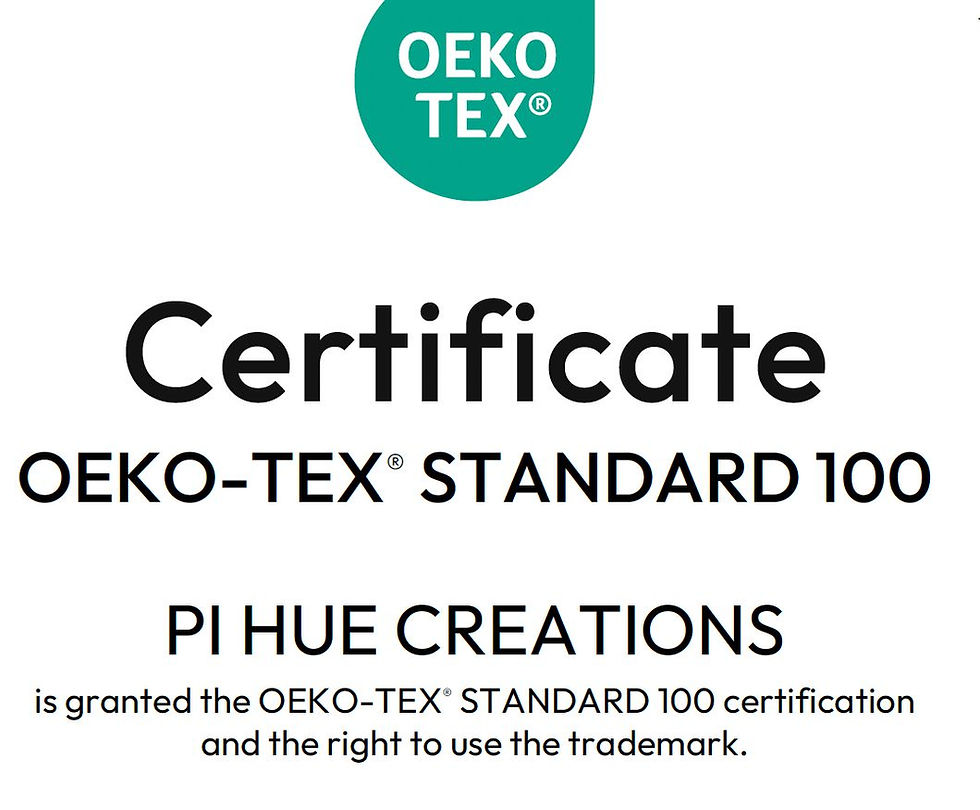
Understanding Oeko-Tex® Standards
The Oeko-Tex® Standard 100 is a globally recognized testing and certification system that ensures textile products are free from harmful substances. It evaluates raw materials, dyes, chemicals, and finishing processes. Certification confirms that the product does not contain substances harmful to human health.
For rug producers, compliance isn’t a single step—it’s a continuous system of responsible sourcing, monitored production, and regular third-party testing.
Step 1: Responsible Raw Material Sourcing
Compliance begins at the fiber level. Bhadohi manufacturers carefully select raw materials that meet safety standards before production even starts.
Many exporters focus on natural fiber rugs, including plant-based and renewable materials such as Abaca rugs, Jute rugs, Hemp rugs, and Cotton rugs. These fibers are naturally biodegradable and require minimal chemical processing compared to synthetic alternatives.
Before entering the dyeing or weaving stage, fibers are screened for contaminants such as pesticide residues or heavy metals. Suppliers must provide documentation verifying that the raw materials comply with international textile safety guidelines.
Step 2: Controlled Dyeing and Chemical Management
One of the most critical compliance areas is dyeing. Oeko-Tex® restricts the use of harmful azo dyes, formaldehyde, heavy metals, and allergenic substances.
To comply:
Dye houses in Bhadohi use approved low-impact dyes.
Chemical inventories are audited regularly.
Wastewater treatment systems are installed to prevent environmental contamination.
Batch-level documentation tracks dye formulations and processing details.
These steps ensure that the finished product, whether it’s a flatwoven piece or a detailed pile construction, remains safe for indoor use.
Step 3: Process Monitoring and Documentation
Certification is not achieved through one-time testing. Manufacturers must maintain documented production records, including:
Supplier certifications
Chemical safety data sheets
Batch testing logs
Quality control inspections
Factories are required to demonstrate traceability—from raw fiber to finished rug. This level of documentation ensures transparency for importers and retailers.
Step 4: Third-Party Laboratory Testing
Before approval, rug samples are tested by accredited laboratories. These tests examine:
pH levels
Heavy metal content
Formaldehyde presence
Allergenic dyes
Residual chemicals
Only after passing these rigorous tests can manufacturers label their products as compliant. Regular retesting ensures ongoing adherence to updated standards.
Step 5: Skilled Craftsmanship with Compliance Awareness
Bhadohi is globally known for its handmade rugs, crafted by skilled artisans using time-honored weaving methods. Even though these products are artisan-driven, compliance is integrated into the workflow.
Weavers receive training on:
Handling certified yarns separately from non-certified stock
Maintaining clean workspaces
Avoiding cross-contamination during weaving
Whether producing detailed textile rugs or textured flatweaves, manufacturers ensure that safety protocols are maintained throughout the artisanal process.
Step 6: Sustainable and Eco-Conscious Production
Many compliant manufacturers go beyond chemical safety and embrace broader environmental responsibility. This includes:
Using biodegradable materials
Installing solar-powered units
Recycling water in washing plants
Reducing packaging waste
Such practices align well with global demand for eco-friendly rugs, especially in markets like Europe and North America where sustainability certifications strongly influence purchasing decisions.
Step 7: Ethical Certifications Alongside Oeko-Tex®
Safety compliance often overlaps with social responsibility initiatives. Many Bhadohi exporters also produce Goodweave certified rugs, ensuring no child labor is involved in production.
While Oeko-Tex® focuses on chemical safety, GoodWeave emphasizes ethical labor standards. Together, these certifications strengthen credibility in international markets.
Step 8: Ongoing Audits and Renewal
Certification is not permanent. Manufacturers must undergo periodic audits and product retesting to maintain compliance.
Auditors review:
Production facility cleanliness
Chemical storage systems
Updated documentation
Environmental management systems
Any deviation requires corrective action before certification can be renewed.
Why Compliance Matters for Global Buyers
For importers, retailers, designers, and hospitality brands, sourcing from certified manufacturers reduces risk. Benefits include:
Safer indoor air quality
Lower liability exposure
Easier customs clearance
Enhanced brand reputation
Alignment with ESG goals
Consumers today are more informed. They want assurance that products entering their homes are free from harmful substances and responsibly made.
The Bhadohi Advantage
Bhadohi’s strength lies in its combination of tradition and modernization. The region maintains its heritage of hand craftsmanship while integrating global compliance systems.
By investing in testing, documentation, ethical training, and sustainable practices, local manufacturers have positioned themselves as reliable suppliers for international markets.
This balance of artisanal skill and regulated production enables exporters to meet both creative and compliance demands without compromise.
Final Thoughts
Complying with Oeko-Tex® standards is a structured, multi-layered process that begins with fiber selection and extends to final inspection. Bhadohi rug manufacturers achieve this through careful sourcing, chemical control, documentation, laboratory testing, and continuous audits.
The result is a product that not only reflects centuries-old craftsmanship but also meets modern global safety expectations.
For buyers seeking rugs that combine artistry, sustainability, and verified safety, Bhadohi continues to be a trusted and competitive sourcing destination.


Comments