


Large-Scale Hospitality and Luxury Projects: Managing Bulk Rug Orders Without Compromising Quality

Updated: 19 hours ago
In the world of luxury hospitality, every design detail contributes to the guest experience. From grand lobbies to intimate suites, flooring plays a crucial role in shaping ambiance, comfort, and visual identity. For developers, architects, and procurement teams handling large-scale hospitality rug projects, sourcing the right rugs in bulk is both an opportunity and a challenge. The need to maintain consistency, durability, and aesthetic excellence—while working at scale—demands a strategic approach. This is where experienced partners, such as a bulk rug manufacturer, become essential in bridging craftsmanship with commercial execution.

The Complexity of Bulk Orders in Hospitality
Managing bulk rug orders for hotels is far more intricate than sourcing a few decorative pieces. These projects often involve hundreds or even thousands of units across multiple zones—lobbies, corridors, guest rooms, lounges, and outdoor areas. Each space comes with unique requirements:
High foot traffic demands durability.
Design consistency must align with brand identity.
Fire safety and compliance standards must be met.
Timelines are often tight and non-negotiable.
Unlike retail purchases, hospitality-grade carpets and rugs must meet both aesthetic and technical benchmarks. This dual demand requires a balance between artistry and engineering.
Why Handmade Craftsmanship Still Matters at Scale
Even in large volumes, handmade rugs remain the preferred choice for luxury environments. Their uniqueness, texture, and longevity set them apart from machine-made alternatives. Handmade rugs offer:
Superior durability due to dense weaving techniques.
Rich textures that elevate interior design.
Customization in patterns, colors, and sizes.
A story of craftsmanship that aligns with luxury branding.
Techniques like hand-knotted rugs ensure long-term performance, especially in high-traffic zones such as hotel entrances and banquet halls. Meanwhile, hand-tufted or flatweave options can be used in areas requiring quicker production cycles. Scaling handmade production is possible when working with an organized network of artisans, especially from established weaving hubs like a rug manufacturer from Bhadohi, where generations of expertise meet structured manufacturing systems.
Customization at Scale: The True Luxury Advantage
Luxury hospitality projects rarely rely on off-the-shelf designs. Instead, designers seek custom rugs tailored to specific interiors. This includes:
Matching brand color palettes.
Adapting patterns to architectural layouts.
Creating bespoke shapes for unique spaces.
For example, hotel rugs in a grand lobby may feature intricate motifs, while rugs for resorts often incorporate natural tones and textures that reflect the surrounding environment. Customization at scale requires:
Advanced sampling processes.
Digital design approvals.
Consistent dyeing techniques.
Skilled quality control teams.
The ability to replicate designs across hundreds of pieces without variation is what separates premium suppliers from average ones.

Ensuring Consistency Across Large Orders
One of the biggest concerns in bulk production is maintaining uniformity. Even minor variations in color, texture, or size can disrupt the visual harmony of a luxury space. To ensure consistency, leading luxury hotel rug suppliers implement:
Batch-controlled dyeing processes.
Standardized weaving techniques.
Pre-production samples and approvals.
Multi-stage inspections.
For large projects, production is often divided into controlled batches, each carefully monitored to match the approved prototype. This systematic approach ensures that whether it’s 50 or 5,000 pieces, the final output remains identical.
Durability Meets Design: Commercial-Grade Performance
Hospitality environments are demanding. Rugs must withstand constant use, frequent cleaning, and environmental exposure—all while maintaining their visual appeal. This is where commercial-grade luxury rugs come into play. These are specifically engineered to:
Resist wear and tear.
Retain color over time.
Handle heavy foot traffic.
Meet fire and safety regulations.
Materials such as high-quality wool, blended fibers, and natural options are carefully selected based on the application. For instance:
Runner rugs in corridors require reinforced edges.
Area rugs in suites prioritize softness and comfort.
Outdoor resort rugs need moisture resistance.
Balancing durability with aesthetics ensures that the investment delivers long-term value.
Logistics and Timelines: The Backbone of Large Projects
Delivering bulk orders on time is just as critical as producing them. Delays in rug installation can impact entire project timelines, especially in hotel launches. Efficient execution involves:
Clear production schedules.
Coordinated shipping plans.
Export documentation and compliance.
On-site installation support.
An experienced partner understands the importance of deadlines and builds buffers into the process to accommodate unforeseen challenges.
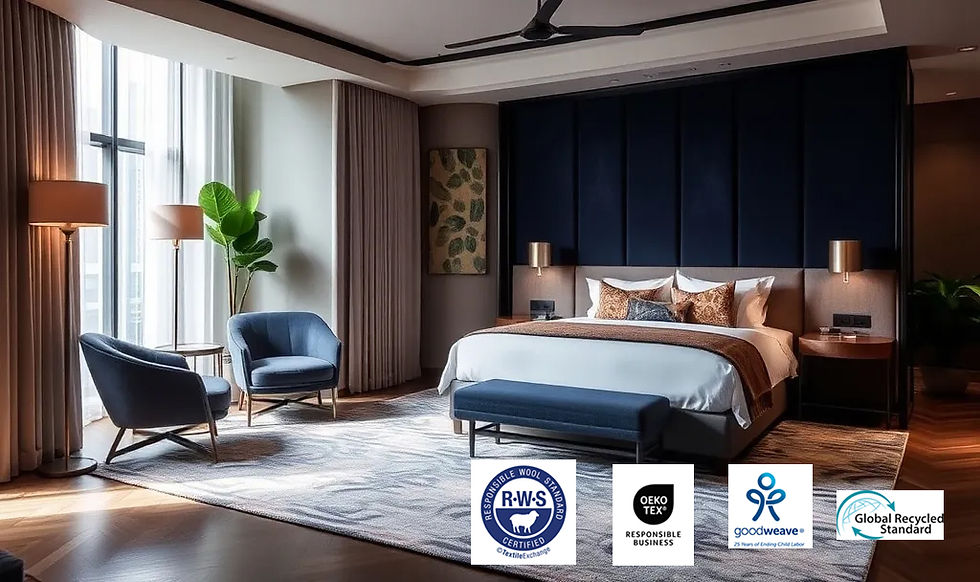
Ethical Production and Transparency
Today’s hospitality brands are increasingly conscious of sustainability and ethical sourcing. Partnering with responsible manufacturers ensures:
Fair wages for artisans.
Child-labor-free production.
Use of eco-friendly materials.
Transparent supply chains.
This not only enhances brand reputation but also aligns with global sustainability goals—an important consideration for modern luxury projects.
Choosing the Right Partner for Scale
Selecting the right supplier is crucial for the success of any large-scale hospitality rug project. The ideal partner should offer:
Proven experience in bulk production.
Strong design and customization capabilities.
Reliable quality control systems.
Scalable artisan networks.
Transparent communication.
A trusted bulk rug manufacturer doesn’t just deliver products—they become collaborators in bringing a design vision to life.
Conclusion: Scaling Without Compromise
Large-scale hospitality projects demand precision, creativity, and reliability. While the scale may be vast, the expectations remain deeply personal—every rug must contribute to a seamless guest experience. By combining traditional craftsmanship with modern production systems, it is entirely possible to manage bulk rug orders for hotels without compromising on quality. From bespoke designs to durable materials and ethical practices, the right approach ensures that every piece reflects the luxury it represents.
In the end, success lies in partnership—working with experts who understand both the art of rug-making and the science of scaling it.
The Importance of Quality in Handmade Rugs
When it comes to luxury, quality is non-negotiable. Handmade rugs are not just decorative items; they are investments in artistry and heritage. Each piece tells a story, woven with care and precision. This quality is what sets handmade rugs apart in the hospitality industry.
The Role of Technology in Rug Production
Modern technology has transformed the way rugs are produced. While traditional methods remain vital, innovations in design software and manufacturing processes enhance efficiency. This blend of old and new allows for greater creativity and customization, ensuring that each rug meets the unique needs of luxury spaces.
The Future of Rug Design in Hospitality
As we look ahead, the future of rug design in hospitality is bright. Trends lean towards sustainability, customization, and the integration of technology. Rugs will continue to evolve, reflecting the changing tastes and values of the industry.
By embracing these trends, we can ensure that every rug not only meets the demands of luxury but also contributes to a more sustainable and beautiful world.
In conclusion, the journey of selecting the right rug for hospitality projects is an exciting one. It involves creativity, collaboration, and a commitment to quality. With the right partners, we can elevate spaces and create unforgettable experiences for guests.


Comments