


The Texture Revolution: How High-Low Pile and Mixed Weaves Are Adding Depth to Modern Floors

In today’s design landscape, flooring is no longer just a background element—it’s a statement. As interiors move toward layered, sensory-rich environments, rugs have become central to defining mood and character. Among the most exciting shifts is the rise of texture-driven designs, where high-low pile techniques and innovative weaving methods transform flat surfaces into dynamic, tactile experiences.
This “texture revolution” is redefining how we think about rugs, offering both visual intrigue and practical benefits for modern living.

Why Texture Matters More Than Ever
Minimalist interiors once relied heavily on smooth finishes and neutral palettes. While that aesthetic still holds relevance, designers are now introducing depth through subtle contrasts rather than bold color. Texture plays a crucial role in this transition.
High-low pile rugs create variation by combining raised and recessed areas, producing patterns that shift with light and perspective. These designs are particularly effective in contemporary homes, where understated elegance is preferred over ornate detailing.
At the same time, textured rugs are appealing because they engage multiple senses. Walking barefoot across varied surfaces adds a layer of comfort and luxury that flat weaves cannot replicate. This tactile quality enhances the overall ambiance of a space, making it feel more inviting and lived-in.
The Rise of High-Low Pile Techniques
High-low pile construction is at the heart of this movement. By varying the height of fibers within a single rug, artisans create patterns that feel sculptural rather than purely visual.
This technique works beautifully in living rooms and bedrooms, where it can define zones without the need for additional decor elements. For example, a rug with a subtle geometric high-low pattern can anchor a seating area while maintaining a clean, modern look.
Beyond aesthetics, high-low pile rugs also offer functional advantages. The raised sections tend to be softer underfoot, while the lower areas are easier to maintain. This balance makes them suitable for spaces that require both comfort and durability.
Mixed Weaving: Where Craft Meets Innovation
Another defining trend is the emergence of mixed weave rugs, which combine multiple weaving techniques within a single piece. This approach allows designers to experiment with texture, density, and material in ways that were previously uncommon.
For instance, a rug might feature flatwoven sections alongside tufted or knotted areas, creating contrast not only in texture but also in structure. This interplay adds depth and dimension, making each rug feel unique.
Mixed weaving is particularly popular in modern interiors that aim to blend tradition with innovation. By incorporating different techniques, these rugs tell a story of craftsmanship while aligning with contemporary design sensibilities.
Natural Fibers Leading the Way
As sustainability becomes a priority, natural materials are playing a significant role in the texture revolution. Fibers like Abaca rugs, Jute rugs, and Hemp rugs are gaining popularity for their organic appeal and environmental benefits.
These materials inherently possess a rich texture, making them ideal for high-low and mixed weave designs. Their natural variations in color and thickness contribute to a more authentic, handcrafted look.
Moreover, Eco-friendly rugs made from renewable resources align with the values of modern consumers and hospitality brands alike. They not only reduce environmental impact but also bring a sense of warmth and connection to nature into interior spaces.

Flatweaves with a Twist
While plush textures are trending, flatweaves are far from obsolete. Instead, they are being reimagined through innovative techniques that add dimension without increasing pile height.
Low pile rugs are now designed with intricate patterns and subtle textural variations, making them both practical and visually engaging. They are particularly well-suited for high-traffic areas such as hallways and dining spaces, where ease of maintenance is essential.
Similarly, Kilim rugs are experiencing a revival. Traditionally known for their flat construction and geometric motifs, modern interpretations incorporate varied weaving styles and materials to enhance texture. This evolution allows kilims to fit seamlessly into contemporary interiors while retaining their cultural heritage.
Applications in Modern Interiors
The versatility of textured rugs makes them suitable for a wide range of spaces:
Living Rooms: High-low pile rugs can anchor furniture arrangements and add a cozy feel without overwhelming the design.
Bedrooms: Soft, layered textures create a calming environment, enhancing comfort and relaxation.
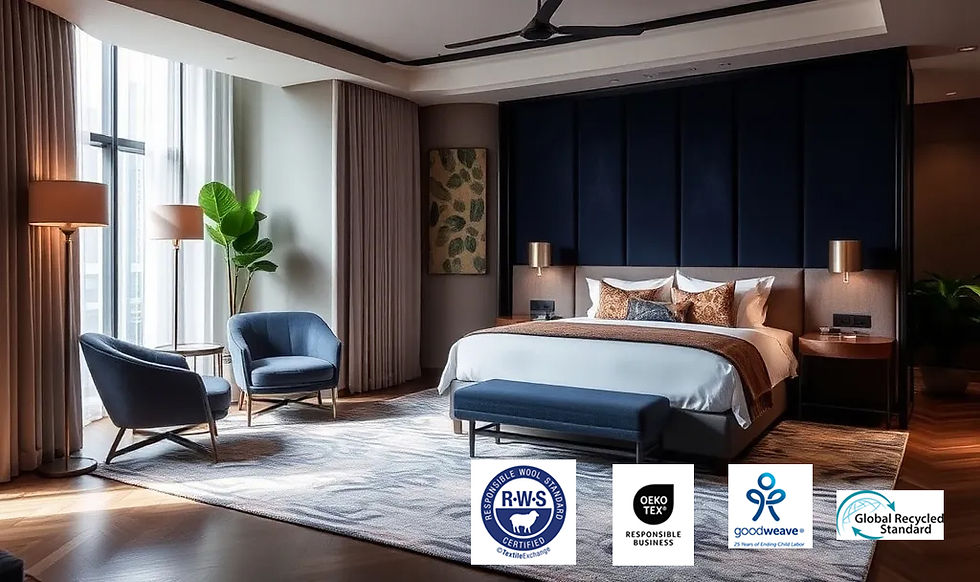
Hospitality Spaces: Hotels and resorts are increasingly using textured rugs to elevate guest experiences, combining durability with visual appeal.
Workspaces: Subtle textures can add warmth to office environments, making them more inviting and less sterile.
In each of these settings, the key is to balance texture with other design elements. Too much variation can feel chaotic, while the right amount creates harmony and depth.
Craftsmanship from Bhadohi
At the center of this global trend is India’s renowned weaving hub, Bhadohi. A skilled rug manufacturer from Bhadohi brings generations of expertise to the art of rug making, blending traditional techniques with modern innovations.
Artisans in this region are adept at experimenting with pile variations and mixed weaves, producing rugs that meet the evolving demands of international markets. Their ability to customize designs, materials, and textures makes them valuable partners for designers and buyers seeking distinctive pieces.
The Future of Textured Rugs
Looking ahead, the texture revolution shows no signs of slowing down. Advances in weaving technology are enabling even greater precision and creativity, allowing for more complex patterns and combinations.
Sustainability will continue to influence material choices, with an increased focus on natural fibers and responsible production methods. At the same time, customization will play a larger role, as clients seek rugs that reflect their unique style and functional needs.
Digital tools are also transforming the design process. From 3D visualization to virtual sampling, these technologies make it easier to experiment with textures before committing to production.
Conclusion
The shift toward texture-driven design marks a new chapter in the evolution of rugs. High-low pile techniques and mixed weaving methods are not just trends—they represent a deeper appreciation for craftsmanship, materiality, and sensory experience.
By combining innovation with tradition, today’s rugs are redefining modern floors, turning them into canvases of depth and dimension. Whether in residential or hospitality settings, textured rugs offer a powerful way to enhance both aesthetics and comfort, proving that the foundation of a space can be just as expressive as its furnishings.


Comments