


Why B2B Buyers Are Embracing Sustainable Jute Hemp and Recycled Fibers in Eco-Friendly Collections

Updated: Jul 30
Sustainability is no longer a trend but a necessity in today’s business landscape. B2B carpet buyers across industries are shifting their focus toward materials that reduce environmental impact without compromising quality or style. Among these, natural fibers like jute, abaca and hemp, along with recycled materials, are gaining significant traction. This shift is especially evident in sectors such as hospitality, retail, and interior design, where eco-conscious collections are becoming a key differentiator.

The Rising Demand for Eco-Friendly Materials
Businesses today face increasing pressure from consumers and regulators to adopt sustainable practices. This pressure extends to the products they source, including textiles and floor coverings. Rugs made from synthetic fibers often involve energy-intensive production and contribute to landfill waste. In contrast, natural fibers like jute and hemp offer a renewable, biodegradable alternative that aligns with environmental goals.
B2B buyers appreciate that these materials come from plants that grow quickly and require fewer pesticides and less water compared to conventional cotton or synthetic fibers. This makes them a responsible choice for companies looking to reduce their carbon footprint.
Why Jute and Hemp Stand Out
Jute and hemp are two of the most sustainable fibers available for rug manufacturing. Both have unique qualities that appeal to businesses aiming to combine durability with eco-friendliness.
Jute rugs are known for strength and coarse texture, making it ideal for high-traffic areas such as hotel lobbies and commercial spaces. Its natural golden hue adds warmth and an organic feel to interiors.
Hemp rugs offers a softer texture and exceptional durability. It resists wear and tear, making it suitable for luxury collections that require both elegance and longevity.
Abaca rugs offer a smooth texture and making them climate neutral. They also are known for anti-microbial properties. They are used in Commercial and Household purposes.
Indian carpet manufacturers have mastered the art of weaving these fibers into beautiful rugs that meet international quality standards. Their expertise ensures that B2B buyers receive products that are not only sustainable but also stylish and functional.
The Role of Ethical Rug Manufacturers in India
India has a rich heritage of handcrafting rugs using natural fibers. Ethical manufacturers in the region focus on fair labor practices, sustainable sourcing, and minimizing environmental impact. This commitment resonates strongly with B2B buyers who want to ensure their supply chains are transparent and responsible.
By partnering with these manufacturers, businesses gain access to a wide range of options, from traditional Indian rugs to contemporary designs suitable for upscale hotels and commercial spaces. The combination of craftsmanship and sustainability creates a compelling value proposition.
Benefits for Hotel and Commercial Spaces
Hotel lobbies and other commercial environments demand rugs that can withstand heavy foot traffic while enhancing the aesthetic appeal. Natural fiber rugs made from jute and hemp meet these requirements effectively.
Durability: These fibers are tough and maintain their appearance over time.
Eco-conscious appeal: Guests increasingly notice and appreciate sustainable choices in hospitality settings.
Customization: Indian manufacturers offer bespoke designs that can match brand themes and interior styles.
Using rugs crafted from recycled fibers adds another layer of sustainability. These materials reduce waste and give new life to discarded textiles, aligning with circular economy principles.

Online Access and Luxury Appeal
The rise of online platforms has made it easier for B2B buyers to source natural fiber rugs directly from manufacturers in India. This direct access reduces costs and allows for better communication about product specifications and sustainability standards.
Luxury rugs made from jute, hemp, and recycled fibers are no longer limited to rustic or casual settings. Designers are incorporating these materials into high-end collections that appeal to discerning clients who want both style and sustainability.
Practical Considerations for B2B Buyers
When selecting rugs made from natural and recycled fibers, buyers should consider:
Maintenance: Natural fiber rugs require specific care to maintain their appearance and durability. Clear guidelines from manufacturers help ensure longevity.
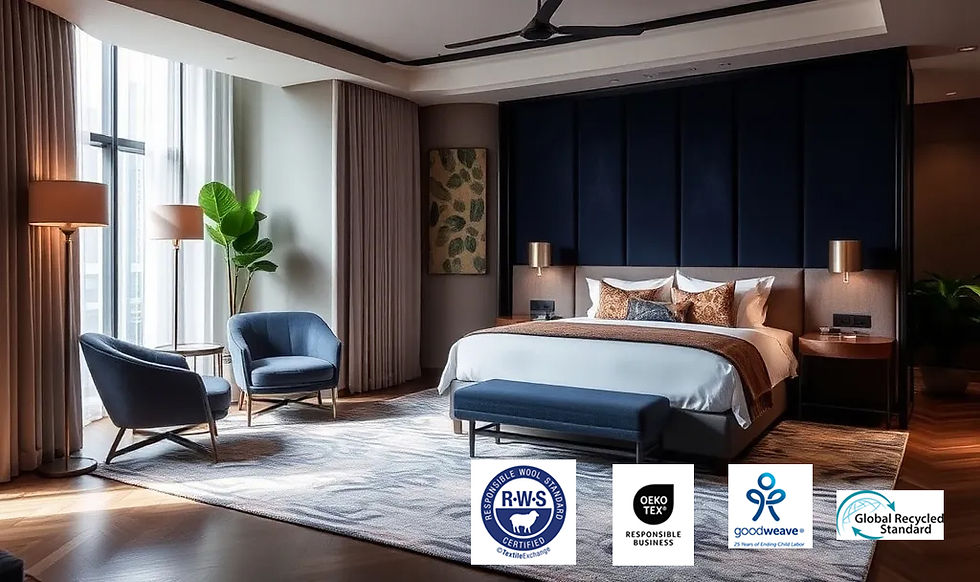
Certifications: Look for products certified for ethical labor and environmental standards.
Customization options: Ability to choose colors, patterns, and sizes that fit the intended space.
Supplier transparency: Understanding the sourcing and production process builds trust and supports marketing efforts.
Final Thoughts on Sustainable Fiber Choices
The shift toward eco-conscious collections reflects a broader commitment to responsible business practices. By choosing rugs made from jute, hemp, and recycled fibers, B2B buyers support sustainable agriculture, ethical manufacturing, and waste reduction. These materials offer practical benefits like durability and style, making them a smart choice for commercial spaces, especially in hospitality.
Working with a certified carpet manufacturer in India ensures quality, ethics, and reliable delivery for every project.
Explore our custom sisal and jute rugs, handwoven to any size at our GoodWeave-certified factory in Bhadohi.


Comments