


Why Handmade Matters: The Case for Artisan Rugs in a Machine-Made World
- pihue sagar
- Apr 2
- 4 min read

In today’s fast-paced, mass-production-driven marketplace, convenience often takes precedence over craftsmanship. From furniture to fashion, machine-made goods dominate shelves and screens alike. Yet, amid this industrial efficiency, a quiet resurgence is taking place—one that values authenticity, heritage, and human touch. Nowhere is this more evident than in the growing appreciation for artisan rugs. These pieces are not merely floor coverings; they are stories woven into fabric, preserving traditions that machines simply cannot replicate.
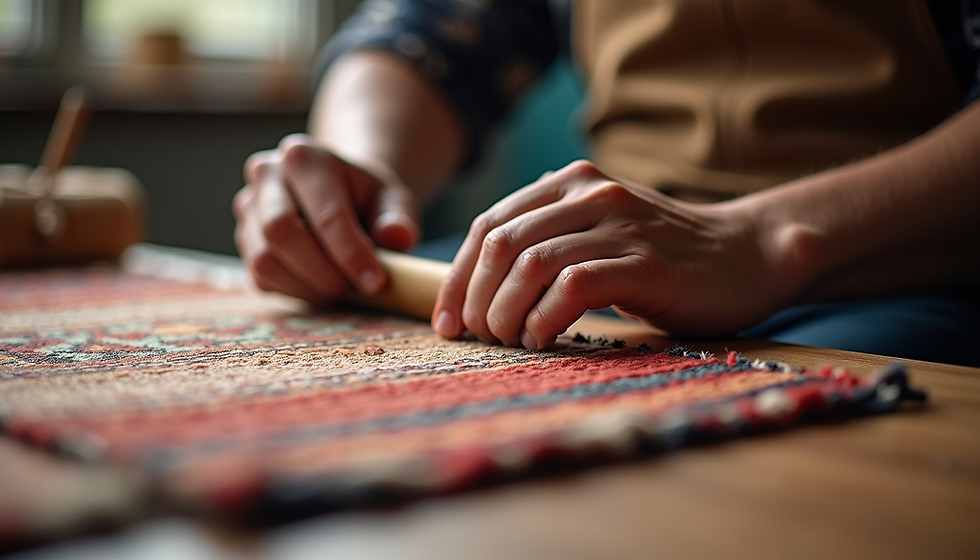
The Soul Behind Every Thread
Unlike factory-produced alternatives, Indian handmade rugs carry the imprint of the artisan who creates them. Each knot, weave, and pattern reflects hours—sometimes months—of meticulous labor. These rugs are born from generations of skill passed down through families, particularly in regions like Bhadohi, often referred to as the carpet capital of India.
When you choose hand-knotted rugs, you are investing in a product that embodies patience and precision. Each knot is individually tied, resulting in a dense, durable structure that can last for decades. The slight variations in design are not flaws but signatures of authenticity, making every rug truly one of a kind.
Craftsmanship vs. Automation
Machine-made rugs prioritize speed and uniformity, but they often lack character. Automated looms can replicate patterns endlessly, yet they cannot recreate the subtle nuances that define handcrafted work. In contrast, hand-tufted rugs offer a balance between artistry and efficiency, allowing for intricate designs while still maintaining a human touch.
Artisan made rugs stand apart because they celebrate imperfection. The irregularities in texture and pattern give them depth and personality, qualities that mass-produced items rarely possess. In a world where sameness is the norm, these differences become a mark of distinction.
A Sustainable Choice
Sustainability is no longer a luxury—it is a necessity. Handmade rugs often utilize natural fibers and eco-conscious processes that significantly reduce environmental impact. Materials such as jute and sisal rugs, hemp rugs, and abaca rugs are renewable, biodegradable, and require minimal chemical processing.
Unlike synthetic alternatives, these fibers age gracefully, developing a patina over time rather than deteriorating. The production process itself is also less energy-intensive, relying more on human skill than heavy machinery. By choosing textile rugs crafted from natural materials, consumers contribute to a more sustainable future while enjoying products that are both beautiful and responsible.
Supporting Artisan Communities
Behind every handmade rug is a network of skilled artisans whose livelihoods depend on this craft. Choosing handwoven rugs supports these communities, ensuring that traditional weaving techniques continue to thrive. It also promotes fair wages and ethical working conditions, particularly when sourced from responsible manufacturers.
A rug manufacturer from Bhadohi who is OEKO-TEX® rug manufacturer, for instance, often works closely with local weavers, providing them with consistent employment and preserving centuries-old techniques. This connection between maker and product fosters a deeper appreciation for the artistry involved and reinforces the value of conscious consumption.
Durability That Stands the Test of Time
One of the most compelling reasons to invest in handmade rugs is their longevity. Machine-made rugs may appear cost-effective initially, but they often wear out quickly due to lower-quality materials and construction methods. In contrast, heirloom rugs are designed to endure.
The durability of these rugs comes from both the quality of materials and the craftsmanship involved. Wool, natural fibers, and tightly woven structures ensure that the rug maintains its integrity even in high-traffic areas. Over time, these rugs do not just survive—they evolve, becoming more beautiful with age.
Aesthetic Versatility
Handmade rugs offer unparalleled versatility in design. Whether you prefer traditional motifs or contemporary patterns, there is a handcrafted option to suit every aesthetic. The ability to customize colors, textures, and dimensions further enhances their appeal, allowing homeowners and designers to create truly personalized spaces.
The richness of detail in handcrafted pieces adds depth to interiors, transforming rooms into curated environments. Unlike mass-produced designs, which can feel generic, handmade rugs serve as focal points that elevate the overall ambiance.
Beyond their physical attributes, handmade rugs carry emotional and cultural significance. They are often inspired by regional traditions, folklore, and natural surroundings, making them more than just decorative items. Owning such a piece is akin to owning a fragment of history.
These custom rugs also foster a deeper connection between the consumer and the product. Knowing that a real person invested time and skill into creating the rug adds a layer of meaning that machine-made alternatives cannot offer. This emotional resonance is what transforms a simple purchase into a lasting investment.
The True Cost of Cheap Alternatives
While machine-made rugs may seem affordable, their lower price often comes at a hidden cost. Synthetic materials, shorter lifespans, and environmentally harmful production processes make them less economical in the long run. Frequent replacements not only increase expenses but also contribute to waste.
In contrast, handmade rugs represent value over time. Their durability, timeless appeal, and potential to become family heirlooms make them a smarter investment. Rather than following trends, they transcend them, maintaining relevance across generations.
A Return to Mindful Living
As consumers become more conscious of their choices, there is a growing shift toward products that align with values of sustainability, authenticity, and quality. Tailor made rugs embody all these principles, offering an alternative to the disposable culture that dominates modern life.
Choosing a handcrafted rug is not just about aesthetics—it is about making a statement. It reflects a commitment to preserving traditional crafts, supporting artisan communities, and investing in products that stand the test of time.
Conclusion
In a world increasingly defined by automation, the value of handmade craftsmanship has never been more significant. Artisan rugs remind us that beauty lies not in perfection but in authenticity. They bring warmth, character, and meaning into our spaces, transforming houses into homes.
By embracing handmade rugs, we move beyond mere consumption and toward appreciation—of skill, heritage, and the human touch. In doing so, we ensure that these timeless traditions continue to flourish, even in a machine-made world.


Comments