


How Much Do Rugs Cost in Bulk from India?

For global buyers, retailers, and hospitality brands, sourcing rugs in bulk from India is often a smart, cost-effective decision. India has built a strong reputation as a leading production hub, offering craftsmanship, variety, and competitive pricing at scale. However, one of the most common questions remains: how much do rugs actually cost when purchased in bulk? The answer depends on multiple factors—materials, techniques, size, customization, and sourcing approach.
Understanding these elements will help you evaluate pricing more accurately and make informed buying decisions.
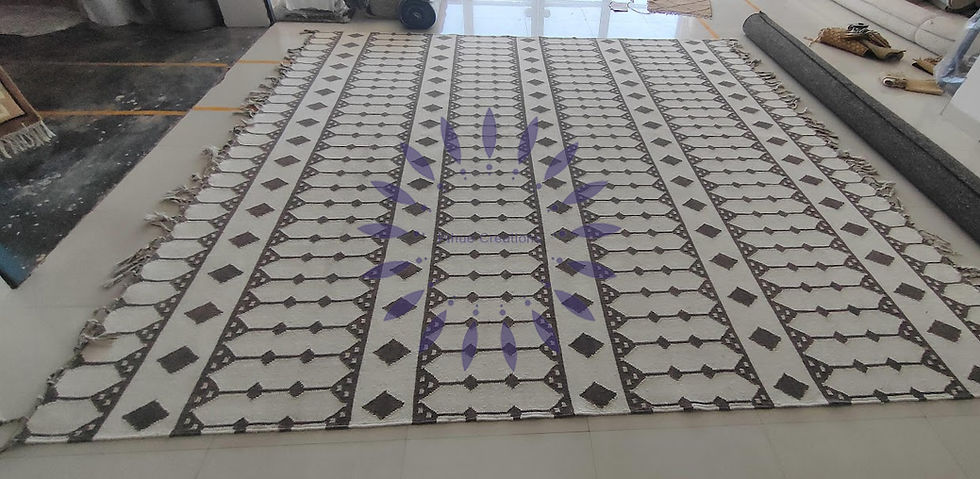
Why India Is a Preferred Bulk Sourcing Destination
India’s rug industry combines centuries-old craftsmanship with modern export infrastructure. Working with a Rug manufacturer from India allows buyers to access skilled artisans, diverse product categories, and scalable production capabilities. Regions like Bhadohi—often referred to as the carpet capital—play a crucial role in fulfilling global demand.
Bhadohi rugs are particularly known for balancing quality and cost efficiency, making them a popular choice for wholesalers and international buyers seeking consistent supply.
Key Factors That Influence Bulk Rug Pricing
Bulk pricing is not fixed—it varies depending on several critical factors:
1. Construction Technique
The method used to make a rug has a direct impact on cost. Handmade rugs typically command higher prices due to the labor and time involved.
Hand-knotted rugs are the most premium category. Each knot is tied individually, resulting in superior durability and intricate detailing. These rugs can take months to complete, which reflects in their higher pricing.
Hand-tufted rugs are faster to produce and more budget-friendly. While still crafted by hand, they require less time and allow for flexible design execution, making them ideal for mid-range bulk orders.
2. Material Selection
The type of fiber used significantly affects cost. Natural fibers such as wool, cotton, and plant-based materials vary in price depending on quality and sourcing.
Premium wool increases cost but enhances durability and feel.
Jute rugs are more affordable and popular for casual or eco-friendly collections.
Abaca rugs offer a textured, natural look and sit in a mid-to-high price range due to their unique fiber characteristics.
3. Design Complexity
Intricate designs with multiple colors, detailed patterns, and fine weaving require more time and expertise. Rugs inspired by global traditions such as Persian carpets, Kilim rugs, or Moroccan rugs often involve complex craftsmanship, which can increase production cost.
Simpler patterns or minimalist styles are generally more economical for bulk manufacturing.
4. Size and Dimensions
Larger rugs naturally require more material and labor, increasing their price. Bulk buyers often mix sizes—standardizing popular dimensions for efficiency while including statement pieces for premium collections.
For example, Living room rugs in larger formats typically cost more than smaller accent pieces but offer higher perceived value in retail markets.
5. Origin and Craft Tradition
Different weaving regions specialize in unique styles. Kashmiri carpets are known for fine detailing and silk blends, often placing them in the higher price bracket. Similarly, Tibetan rugs feature distinctive textures and knotting techniques that influence cost.
These regional specialties can command premium pricing but also add exclusivity to your product line.
Typical Bulk Price Ranges (Indicative)
While exact pricing varies by order size and specifications, here’s a general idea:
Entry-level handmade rugs: suitable for budget collections and high-volume retail
Mid-range rugs: balance of quality, durability, and design complexity
High-end or luxury rugs: intricate craftsmanship, premium materials, and long production timelines
Bulk orders usually come with tiered pricing, meaning the larger the order, the lower the per-unit cost. This makes India especially attractive for wholesalers and large-scale buyers.
Advantages of Buying in Bulk
Purchasing Bulk rugs directly from manufacturers offers several benefits:
Lower per-unit cost due to economies of scale
Consistency in design and quality across large quantities
Customization options for branding, sizing, and color palettes
Better control over production timelines and inventory planning
Additionally, many manufacturers provide export support, including packaging, documentation, and logistics coordination.
Export Quality and Global Standards
Reputable suppliers focus on delivering Export quality rugs, ensuring products meet international standards for durability, safety, and finish. This includes proper washing, finishing, and inspection processes before shipment.
Buyers sourcing from India can expect products tailored for global markets, whether for retail, hospitality, or interior design projects.
Customization and Private Label Opportunities
Bulk sourcing also opens doors for private labeling and custom rugs. Buyers can develop exclusive collections based on market trends, combining traditional designs with contemporary aesthetics. This flexibility helps brands differentiate themselves in competitive markets.
Hidden Costs to Consider
While factory pricing is competitive, buyers should also account for additional expenses such as:
Shipping and freight charges
Import duties and taxes
Packaging and insurance
Warehousing and distribution
Even with these costs, direct sourcing from India often remains more economical than purchasing through intermediaries.
Final Thoughts
So, how much do rugs cost in bulk from India? The answer depends on your choices—materials, technique, design, and scale. From affordable natural fiber options to premium handcrafted masterpieces, India offers a wide pricing spectrum to suit different business needs.
What makes India truly stand out is not just cost efficiency, but the value behind it: skilled craftsmanship, diverse styles, and the ability to produce at scale without compromising quality. For businesses looking to build a strong rug collection, sourcing in bulk from India is not just a purchase—it’s a strategic investment in quality, heritage, and long-term growth.
Frequently Asked Questions on Bulk Rugs
1. What is the average cost of rugs when buying in bulk from India?
The cost varies based on size, material, and construction technique. Entry-level rugs are more affordable, while premium handcrafted pieces with intricate designs and high-quality fibers are priced higher. Bulk orders usually reduce the per-unit cost significantly.
2. Which type of rug is most cost-effective for bulk orders?
produce while still offering good quality and design flexibility compared to hand-knotted rugs.
3. Does buying directly from manufacturers in India reduce costs?
Yes, sourcing directly from manufacturers eliminates middlemen, allowing buyers to access factory pricing, better customization options, and improved transparency in production and materials.
4. What factors affect the pricing of bulk rug orders?
Key factors include material type, weaving technique, design complexity, size, quantity, and customization requirements. Shipping and export-related costs may also impact the final price.
5. Are Indian rugs suitable for international markets and large-scale projects?
Yes, many Indian manufacturers produce export-quality rugs that meet global standards, making them suitable for retail, hospitality, and commercial projects worldwide.


Comments