


Modern Geometric Rugs vs Traditional Patterns: What Buyers Prefer Today

The rug industry has always reflected broader trends in architecture, interior design, and lifestyle preferences. While handcrafted floor coverings have been used for centuries to add warmth, comfort, and character to living spaces, buyer preferences continue to evolve with changing design movements.
One of the most interesting shifts in today's market is the growing debate between contemporary geometric designs and heritage-inspired traditional patterns. Some homeowners and designers are drawn to clean lines, minimalist aesthetics, and modern visual appeal, while others continue to value the cultural richness and timeless elegance of classic motifs.
Both styles remain highly relevant in the current marketplace, but understanding what buyers prefer today requires a closer look at how lifestyles, interiors, and consumer expectations have changed.

The Rise of Contemporary Interiors
Modern homes increasingly emphasize simplicity, functionality, and visual balance. Open floor plans, neutral color palettes, and uncluttered spaces have become defining characteristics of contemporary interior design.
As a result, demand for Modern Geometric rugs has grown significantly across residential and commercial markets.
Geometric designs often feature:
Clean lines
Repeating shapes
Abstract patterns
Structured layouts
Minimalist aesthetics
These characteristics align naturally with modern interiors where designers seek visual interest without overwhelming a space.
Many buyers appreciate how geometric patterns add personality while maintaining a sophisticated and contemporary appearance.
Why Traditional Patterns Continue to Endure
Despite the popularity of modern aesthetics, classic designs remain highly valued among homeowners and collectors.
Traditional rugs offer a sense of history, craftsmanship, and cultural identity that many contemporary products cannot replicate.
Their appeal often comes from:
Intricate detailing
Rich symbolism
Heritage craftsmanship
Timeless elegance
Artistic complexity
Traditional designs have proven remarkably adaptable, working successfully in both classic and contemporary interiors.
Many designers intentionally use traditional pieces to create contrast within modern spaces, resulting in interiors that feel layered and distinctive.
Heritage Rugs Carry Cultural Significance
One reason traditional styles continue attracting buyers is their connection to centuries-old weaving traditions.
Products such as Kashmiri carpets remain admired for their detailed artistry and sophisticated motifs. Their heritage value often makes them more than decorative objects—they become conversation pieces that reflect cultural craftsmanship.
Similarly, Tibetan rugs continue appealing to buyers who appreciate their unique weaving traditions, symbolic patterns, and handcrafted character.
For many consumers, purchasing a heritage-inspired rug represents an investment in both design and cultural preservation.
Minimalism Drives Geometric Demand
The rise of minimalist living has significantly influenced flooring preferences.
Many modern homeowners seek products that contribute to calm, uncluttered environments. Geometric designs often support this objective because they offer visual structure without excessive ornamentation.
These rugs pair particularly well with:
Scandinavian interiors
Contemporary apartments
Modern office spaces
Urban lofts
Minimalist homes
Designers frequently use geometric patterns to create focal points while maintaining overall simplicity within a room.
This versatility has helped contemporary styles gain strong popularity among younger buyers.
Natural Materials Appeal Across Both Styles
Regardless of design preference, material selection remains a major purchasing factor.
Consumers increasingly prioritize quality, durability, and sustainability when choosing floor coverings.
Popular options include:
Wool rugs
Silk rugs
These materials complement both contemporary and traditional aesthetics while offering long-term performance benefits.
Natural fibers also align with growing consumer interest in environmentally responsible home furnishings.
As sustainability becomes more important, buyers are focusing not only on design but also on what products are made from.
Global Influences Shape Design Preferences
Today's consumers have access to design inspiration from around the world through social media, online platforms, and international travel.
This global exposure has expanded appreciation for diverse rug styles.
For example, Moroccan rugs continue attracting buyers because of their ability to blend traditional craftsmanship with contemporary visual appeal.
Their simple geometric motifs often bridge the gap between modern and traditional design preferences.
Likewise, Kilim rugs remain popular because their flatweave construction and bold patterns work effectively in a variety of interior styles.
These globally inspired products demonstrate that buyers increasingly value versatility over strict adherence to a single design category.
The Influence of Online Shopping
Digital commerce has transformed how consumers discover and purchase rugs.
The growth of Online rugs marketplaces has exposed buyers to a wider range of styles than ever before.
Consumers can now compare:
Contemporary collections
Heritage-inspired designs
Global weaving traditions
Material options
Price ranges
This accessibility has broadened consumer tastes and encouraged experimentation.
Buyers are no longer limited by local inventory and often feel more comfortable mixing traditional and modern influences within the same space.
Designers Are Blending Styles
One notable trend is the increasing tendency to combine contemporary and traditional elements within a single interior.
Many Designer rugs collections now incorporate:
Traditional motifs with simplified layouts
Heritage patterns in modern color palettes
Geometric structures inspired by historical designs
Contemporary interpretations of classic weaving traditions
This fusion approach appeals to buyers seeking both timelessness and modern relevance.
Rather than choosing exclusively between contemporary and traditional styles, many consumers now prefer products that incorporate aspects of both.
India's Continued Leadership in Rug Production
India remains one of the world's most important centers for handcrafted rug manufacturing.
An experienced Rug and carpet manufacturer from India can offer extensive expertise across both contemporary and heritage-inspired collections.
The country's weaving traditions, skilled artisan communities, and design capabilities enable manufacturers to produce a wide variety of styles for global markets.
This versatility has helped India maintain a strong position within international flooring industries.
Bhadohi's Role in Meeting Diverse Demand
The weaving hub of Bhadohi rugs continues to play a significant role in serving changing buyer preferences.
Manufacturers in the region produce both modern and traditional collections while supporting custom development for retailers, hospitality groups, and designers worldwide.
Their ability to adapt to evolving market trends allows them to serve a broad spectrum of consumers, from minimalist homeowners to collectors of heritage craftsmanship.
So What Do Buyers Prefer Today?
The answer depends largely on individual lifestyles, design goals, and personal taste.
Contemporary geometric designs continue gaining popularity because they complement modern interiors and minimalist living trends. At the same time, traditional patterns remain highly valued for their artistry, cultural significance, and timeless appeal.
Interestingly, many buyers no longer see these categories as mutually exclusive. Instead, they seek products that balance heritage craftsmanship with contemporary aesthetics.
The most successful collections today often blend tradition and innovation, offering the best of both worlds.
As interior design continues evolving, one thing remains clear: buyers are increasingly looking for rugs that reflect their personality, values, and lifestyle rather than simply following trends. Whether geometric or traditional, the rugs that resonate most are those that combine quality craftsmanship, meaningful design, and lasting beauty.
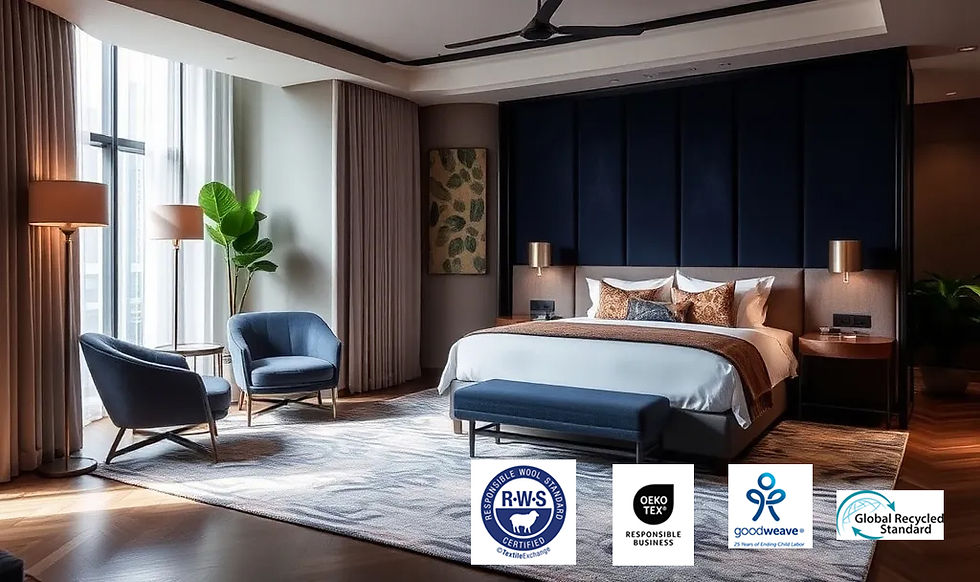
Working with a certified carpet manufacturer in India ensures quality, ethics, and reliable delivery for every project.


Comments