


Why Textured Rugs Are Becoming a Premium Design Feature

Interior design trends continue to evolve toward spaces that feel layered, tactile, and emotionally inviting. While color palettes and furniture styles still influence aesthetics, texture has become one of the most important elements in modern interiors. Designers are increasingly using materials with depth and dimension to create spaces that feel sophisticated without relying on excessive ornamentation.
Among the biggest shifts in contemporary flooring design is the growing popularity of Textured rugs. Once viewed primarily as functional floor coverings, rugs are now being used as sculptural design elements that add warmth, softness, and visual complexity to residential and commercial spaces alike.
From luxury homes and boutique hospitality projects to executive offices and designer apartments, textured flooring has become a defining feature of premium interiors.

The Shift Toward Sensory Design
Modern interiors are no longer focused solely on visual appearance. Today’s design philosophy emphasizes how a space feels as much as how it looks.
Texture contributes to this sensory experience by adding:
Depth
Movement
Warmth
Contrast
Acoustic softness
Visual layering
As minimalism continues influencing architecture and furniture design, textured flooring helps prevent interiors from appearing cold or overly sterile.
Soft surfaces create balance against hard architectural elements such as stone, concrete, glass, and metal. This balance has become especially important in open-plan living environments where flooring often anchors the entire room design.
Texture Adds Quiet Luxury
Luxury design trends are increasingly moving away from excessive decoration and bold visual clutter. Instead, premium interiors now focus on understated sophistication achieved through craftsmanship, materials, and subtle detailing.
This is one reason textured flooring has become highly desirable in upscale interiors.
Rather than relying on loud patterns, designers are using layered pile heights, carved surfaces, woven detailing, and tonal variation to create depth through craftsmanship itself.
This approach is particularly effective in spaces featuring Luxury area rugs, where texture becomes the central visual feature without overwhelming the room.
Subtle dimensionality often creates a more timeless appearance than trend-driven decorative styles.

Craftsmanship Creates Visual Depth
The growing appreciation for texture has also increased interest in artisan production techniques. Handcrafted flooring allows greater control over weave structures, pile variation, and finishing methods compared to fully automated manufacturing.
As a result, buyers increasingly seek Premium handmade rugs that showcase visible craftsmanship and material richness.
Techniques commonly used to create texture include:
High-low pile carving
Loop and cut combinations
Mixed weaving methods
Layered yarn densities
Natural fiber variation
Sculpted surface finishing
These details create dynamic visual effects that shift depending on lighting and viewing angle.
The result is flooring that feels more artistic and architectural rather than purely decorative.
Neutral Interiors Benefit From Texture
Modern interior palettes frequently rely on neutral tones such as ivory, sand, taupe, gray, charcoal, and soft earth-inspired shades.
While these palettes create calm and timeless environments, they can sometimes feel visually flat without enough material variation.
Textured surfaces solve this problem by introducing dimension without adding excessive color contrast.
This is particularly noticeable in contemporary Living room rugs, where subtle texture helps define seating areas while maintaining a refined and cohesive aesthetic.
Layered surfaces also interact beautifully with natural light, creating shadows and movement throughout the day.
Customization Supports Modern Design Needs
As interior projects become increasingly personalized, many designers prefer flooring solutions tailored specifically to each space.
Bespoke production allows clients to adjust:
Texture intensity
Pile height
Material combinations
Shape and scale
Surface carving details
Tonal variation
The demand for Custom rugs continues growing because homeowners and commercial buyers want flooring that complements architecture rather than simply filling floor space.
Textured designs are especially well suited for customization because subtle surface details can dramatically influence the overall mood of a room.
Natural Materials Enhance Texture
Texture becomes even more compelling when combined with natural fibers. Organic materials often contain slight irregularities that create authentic visual character impossible to replicate artificially.
Wool, silk, jute, and plant-based fibers all interact differently with light and touch, contributing unique tactile qualities.
Experienced producers understand how to combine weaving methods and raw materials to achieve balanced surface depth while maintaining durability.
A trusted Rug manufacturer from India often brings together traditional weaving expertise with contemporary design direction to create collections suited for both global residential and hospitality markets.
This fusion of heritage craftsmanship and modern aesthetics has helped textured flooring gain international popularity.
Online Shopping Has Increased Demand for Texture
Interestingly, digital retail has also contributed to the popularity of textured flooring.
As consumers browse interiors online, they are increasingly drawn toward products that appear layered, tactile, and visually rich in photography.
Retailers selling Online rugs often notice stronger engagement with products featuring visible pile variation or sculpted detailing because these textures create more depth in digital imagery.
Texture also helps products stand out within highly competitive e-commerce marketplaces where visual differentiation matters.
For many buyers, textured flooring communicates craftsmanship and quality immediately through appearance alone.
Sustainability and Certification Matter More Than Ever
Modern luxury buyers increasingly expect premium design to align with responsible production practices.
This has increased demand for suppliers operating with transparent environmental and ethical standards.
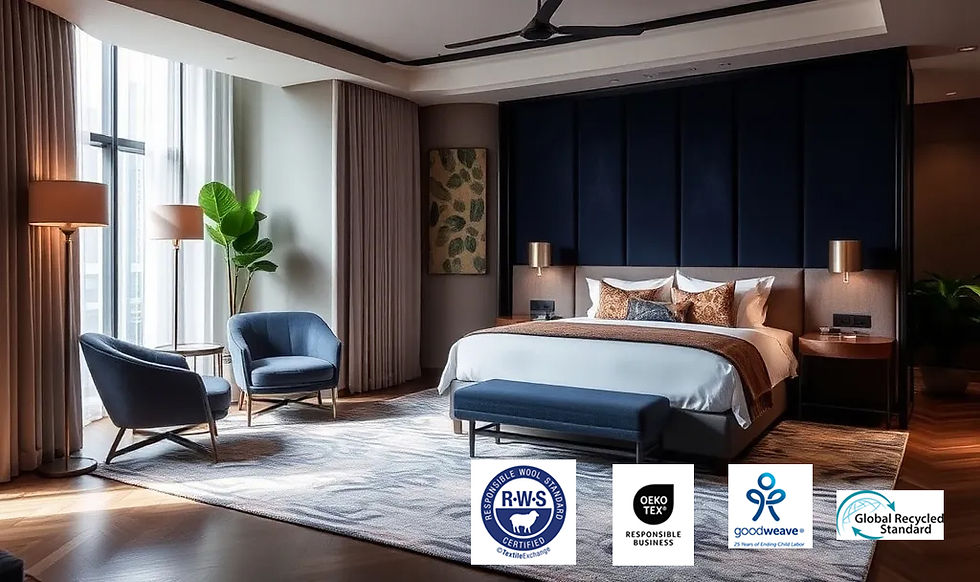
Many consumers and procurement teams now prioritize products sourced from a Certified rug manufacturer capable of meeting international compliance expectations.
Interest in Oeko tex certified rugs continues growing because buyers want reassurance regarding product safety and harmful substance testing.
Similarly, demand for GRS, RWS certified rugs reflects rising awareness around recycled materials, responsible wool sourcing, and sustainability accountability throughout the supply chain.
As luxury interiors become more sustainability-conscious, certified production standards are becoming closely associated with premium market positioning.
Texture Improves Spatial Comfort
Beyond aesthetics, textured flooring also improves the physical comfort of interior spaces.
Soft, layered surfaces help:
Reduce sound reflection
Add underfoot comfort
Improve room warmth
Create visual zoning
Enhance relaxation
These qualities have made textured flooring increasingly popular not only in homes but also in hospitality environments, executive lounges, wellness spaces, and boutique commercial interiors.
In many cases, texture influences how welcoming a room feels even before occupants consciously notice the flooring itself.
The Future of Premium Flooring Design
As interior trends continue shifting toward authenticity, craftsmanship, and sensory comfort, textured flooring is expected to remain a major design feature across luxury interiors.
Consumers are increasingly valuing spaces that feel calm, tactile, and thoughtfully layered rather than overly decorative. This shift aligns perfectly with the strengths of textured handcrafted flooring.
For designers, retailers, and sourcing professionals, textured rugs represent more than a passing trend. They reflect a broader movement toward material richness, subtle sophistication, and human-centered interiors.
In today’s premium design market, texture is no longer a secondary detail. It has become one of the defining characteristics of modern luxury flooring.


Comments