


Carpet Selection for Hotels: From Lobby to Guest Room – Design & Durability Guide

A hotel’s floor covering does more than protect the subfloor. It shapes first impressions, absorbs the echo of rolling suitcases, and endures thousands of footsteps before breakfast. Choosing the right product for each zone requires balancing beauty with brawn. This guide walks you through every space, from the grand entrance to the quiet guest room, with practical advice on materials, construction, and long‑term value.
The Lobby: Where First Impressions Land
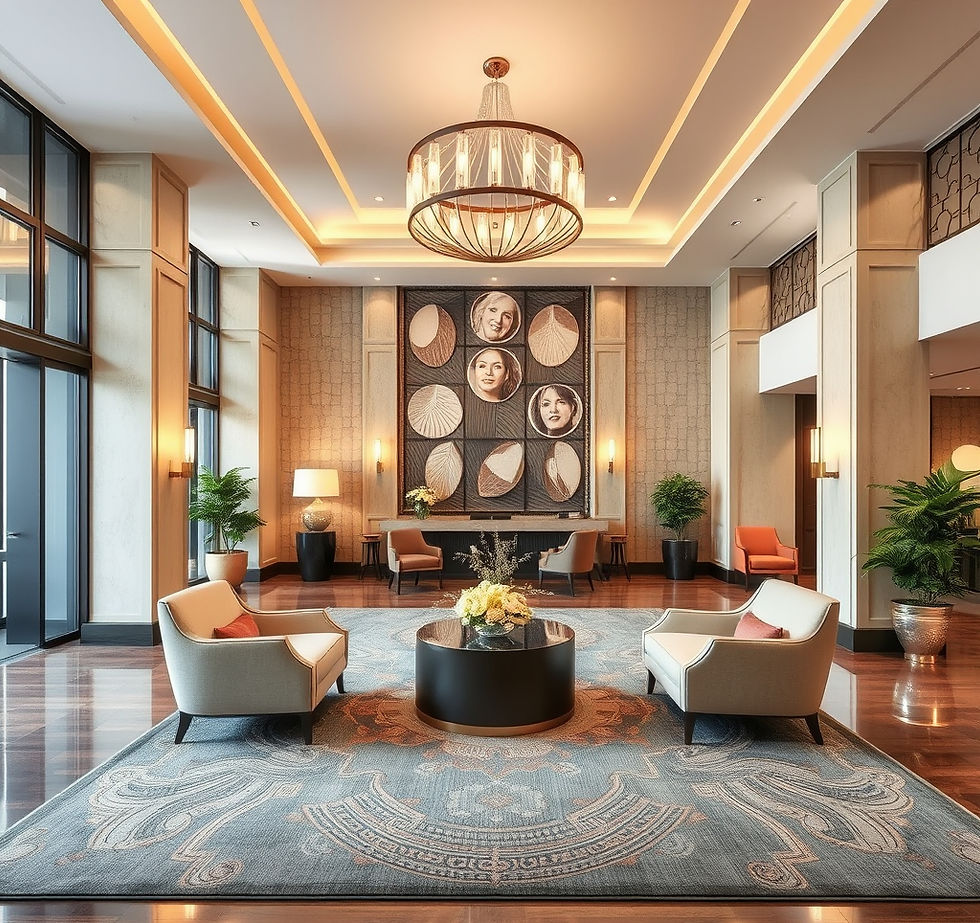
The lobby is your hotel’s handshake. Guests form opinions within seconds, and the floor beneath their feet plays a silent but powerful role. Hotel carpets in this area must withstand heavy foot traffic, rolling luggage, and occasional spills from the front desk coffee station. Yet they also need to reflect the property’s personality—whether that is modern minimalism or old‑world opulence.
For high‑traffic zones, consider low‑pile, dense constructions. Loop pile or cut‑and‑loop styles hide footprints and vacuum marks better than plush, velvety surfaces. Nylon remains the most durable fibre for lobbies, offering excellent stain resistance and colour retention. Wool blends add natural luxury while maintaining resilience.
Lobby rugs often serve as focal points beneath seating clusters or under a statement chandelier. A large, centrally placed piece can define the arrival experience and guide guest flow toward the reception desk. Because lobbies see constant use, choose patterns that camouflage dirt—small geometric repeats or organic textures work well. Avoid solid light colours unless you have a dedicated overnight cleaning crew.
Corridors and Walkways: The Art of Direction
Guest room corridors are the hotel’s arteries. They see endless foot traffic, luggage wheels, housekeeping carts, and room service trays. Runner rugs are the ideal solution here, running the length of hallways to soften footsteps and reduce noise transmission between rooms.
For corridors, prioritise durability over design. Solution‑dyed nylon or polypropylene resists fading from corridor lighting and stands up to frequent vacuuming. A dark base colour with a subtle pattern hides the inevitable scuffs and stains. Ensure the runner is wide enough to cover the main walking path—typically 3 to 4 feet in standard hotel corridors—with a margin of hard flooring on either side for housekeeping carts.
Public Spaces: Restaurants, Lounges, and Meeting Rooms
Dining areas and meeting spaces require a different approach. Here, guests sit for extended periods, so comfort underfoot matters. Area rugs can define separate zones within an open‑plan restaurant—placing one under each table grouping creates intimate pockets without building walls.
In restaurants, focus on stain resistance for wine and coffee spills. Wool with built‑in stain treatment or solution‑dyed polyester are good choices. For meeting rooms, acoustic performance becomes critical. A thick pad beneath the rug absorbs sound, preventing the echo that makes presentations difficult.
Custom rugs allow you to incorporate brand colours, logos, or wayfinding elements. A directional pattern leading to the restrooms or a corporate logo in the pre‑function area adds sophistication. Custom shapes—circles under round tables, runners along buffet lines—further tailor the space. Work with a manufacturer that offers digital printing or hand‑tufting for short‑run custom orders.
Guest Rooms: Comfort Meets Practicality
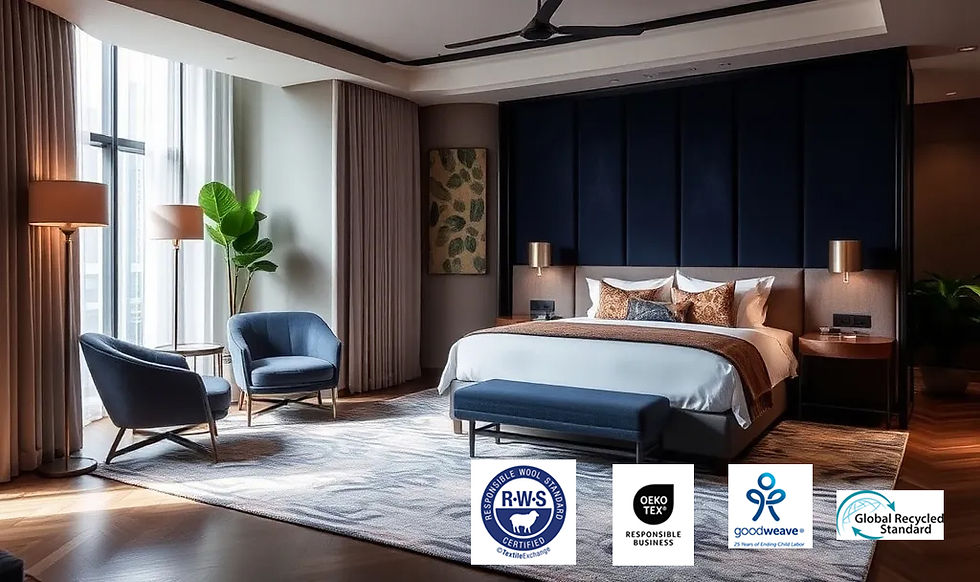
The guest room is where durability and design must coexist peacefully. Travelers want softness under bare feet, but housekeeping needs surfaces that clean easily. Designer rugs in guest rooms can elevate a standard room to a suite experience, yet they must survive spilled wine, makeup, and the dreaded suitcase drag.
For most guest rooms, a medium‑pile wool or wool‑nylon blend offers the best balance. Wool feels luxurious, resists flames naturally, and bounces back from compression. Add a stain repellent treatment for extra protection. Place the rug so that it extends beyond the bed on three sides—guests should step onto something soft, not cold hard flooring.
Luxury rugs belong in suites and premium categories. Higher knot density, silk accents, or hand‑finished details justify premium rates. Guests notice these touches; they photograph them for social media and mention them in reviews. However, limit luxury placements to low‑traffic areas within the room—beside the bed or under a writing desk—to extend their life.
Premium rugs occupy the middle ground. They offer excellent materials and construction without the extreme cost of bespoke silk pieces. A premium wool or viscose blend with a sophisticated pattern upgrades the room while staying within renovation budgets.
Understanding Construction Methods
Not all handmade products suit hotel environments. Handmade rugs encompass a range of techniques, each with different performance characteristics. For guest rooms and low‑traffic suites, handcrafted pieces add authenticity and warmth. For lobbies and corridors, machine‑made or hybrid constructions often prove more practical.
Hand-knotted rugs (the traditional spelling variation refers to the same craft) represent the pinnacle of durability. Each knot is tied individually, creating a rug that can last decades under proper care. The density of knots correlates with longevity—higher knot counts mean better resistance to crushing. These are best reserved for luxury suites, executive lounges, or heritage properties where guests expect heirloom quality.
Hand-tufted rugs offer a more affordable entry into handcraftsmanship. A tufting gun punches yarn through a backing fabric, which is then glued and backed. They are softer underfoot than knotted pieces and can be produced quickly, making them popular for large custom orders. However, they are less durable and not reversible. Use hand‑tufted pieces in medium‑traffic areas like restaurant dining rooms or meeting breakout spaces where replacement cycles are planned every 5–7 years.
Sourcing from the Right Partner
A rug manufacturer from India brings centuries of weaving heritage and modern export capabilities. Indian mills produce everything from budget‑friendly tufted carpets to museum‑quality knotted pieces. Many offer in‑house design teams, sampling services, and logistics support for bulk hotel orders. When evaluating suppliers, request fire safety certifications, abrasion test results (e.g., Martindale score), and references from other hospitality projects.
Today, you can also browse online rugs platforms that cater specifically to hospitality buyers. These marketplaces allow you to filter by material, pile height, fire rating, and lead time. Request physical samples before committing—colours and texture look different on screen than they do under hotel lighting.
Final Recommendations by Zone
Lobby: Low‑pile nylon or wool‑nylon blend; pattern that hides dirt; stain‑resistant treatment.
Corridors: Solution‑dyed nylon runner; dark base with subtle pattern; width 36–48 inches.
Restaurants: Stain‑resistant wool or polyester; thick pad for acoustics; custom branding optional.
Meeting rooms: Acoustic backing; low‑profile loop pile; neutral tones for flexibility.
Guest rooms: Medium‑pile wool blend; extends 18 inches beyond bed edges; stain repellent.
Suites: Hand‑knotted or premium wool; higher knot density; silk accents for luxury feel.
Hotels that invest wisely in floor coverings see longer replacement cycles, fewer guest complaints, and better return on renovation dollars. Match the product to the traffic, test samples rigorously, and partner with a manufacturer who understands hospitality’s unique demands. Your floors will work as hard as your staff—and look just as welcoming.
Frequently Asked questions on Hotel rugs
1. What is the most durable carpet fiber for a hotel lobby?
Cotton is the most durable fibre for hotel lobbies. It offers excellent stain resistance, colour retention, and resilience under heavy foot traffic and rolling luggage. Wool blends can be used to add natural luxury, but for high‑traffic zones where longevity is the top priority, solution‑dyed nylon is the industry standard.
2. How wide should a runner rug be for a hotel corridor?
For standard hotel corridors, runner rugs should be 3 to 4 feet (approximately 90–120 cm) wide. This width covers the main walking path while leaving a margin of hard flooring on either side for housekeeping carts and luggage wheels. Ensure the runner is properly secured with double‑sided tape or a non‑slip pad to prevent tripping hazards.
3. What is the difference between hand‑knotted and hand‑tufted rugs for hotels?
Hand‑knotted rugs are tied knot by knot on a loom, making them extremely durable, reversible, and long‑lasting—ideal for luxury suites and heritage properties. Hand‑tufted rugs are made by punching yarn through a backing fabric with a tufting gun and then gluing it. They are softer, faster to produce, and more affordable, but less durable and not reversible. Use hand‑tufted pieces in medium‑traffic areas like restaurant dining rooms where replacement is planned every 5–7 years.
4. Can I have custom rugs made with my hotel’s logo or brand colours?
Yes. Many rug manufacturers, including those in India, offer custom rug services. You can incorporate brand colours, logos, or wayfinding elements such as directional patterns leading to restrooms. Custom shapes (circles under round tables, runners along buffet lines) are also possible. Work with a manufacturer that provides digital printing or hand‑tufting for short‑run custom orders.
5. What fire safety and durability tests should I request from a rug supplier?
Always request fire safety certifications (e.g., ASTM E648 or NFPA 253 for critical radiant flux), abrasion test results (Martindale score – higher numbers indicate better resistance to wear), and references from other hospitality projects. For hotels, also ask about stain repellent treatments and acoustic performance data if the rug will be used in meeting rooms or corridors.


Comments