


How Ethical Rug Manufacturing Builds Consumer Trust in Home Décor Brands
- pihue sagar
- May 29
- 5 min read

Consumer expectations within the home décor industry are changing rapidly. Buyers are no longer focused only on aesthetics, pricing, or trend-driven styling. Increasingly, they want to understand where products come from, how they are made, and whether the people involved in production are treated responsibly.
This shift has transformed ethical sourcing from a niche concern into a major purchasing factor across global interior markets. Modern consumers are actively seeking brands that align with values such as transparency, sustainability, craftsmanship, and fair labor practices.
For flooring companies, this means that production ethics are now directly connected to brand reputation. Businesses that prioritize responsible manufacturing practices are building stronger emotional connections with buyers and gaining long-term customer trust.
As a result, Ethical rug manufacturing has become one of the most important competitive advantages within today’s home décor industry.
Consumers Want Transparency Behind Products
The digital age has made buyers more informed than ever before. Customers now research brands extensively before purchasing home furnishings, especially premium décor products.
People increasingly ask questions such as:
Where was this product made?
Who produced it?
Were fair labor standards followed?
Are sustainable materials being used?
Is the supply chain transparent?
Brands unable to answer these questions risk losing credibility among modern consumers.
Home décor buyers are particularly interested in artisan-made products because handcrafted items often carry cultural significance and visible human craftsmanship. However, they also want reassurance that these products are being produced responsibly.
Transparency has therefore become essential in building lasting consumer confidence.
Ethical Production Strengthens Brand Identity
Consumers are more likely to support companies whose values align with their own. Ethical manufacturing practices help brands communicate authenticity, responsibility, and long-term integrity.
This is especially important within luxury interiors, where buyers increasingly associate premium quality with ethical sourcing rather than excess consumption.
Companies offering responsibly produced Handmade rugs often develop stronger emotional resonance with consumers because handcrafted products naturally emphasize artistry, heritage, and human skill.
Ethical storytelling also creates opportunities for brands to differentiate themselves in crowded home décor markets where many products may appear visually similar online.
Certifications Build Consumer Confidence
Third-party certifications play an important role in validating ethical and environmental claims.
Today’s consumers are increasingly skeptical of vague sustainability language. Buyers want measurable standards rather than generic marketing promises.
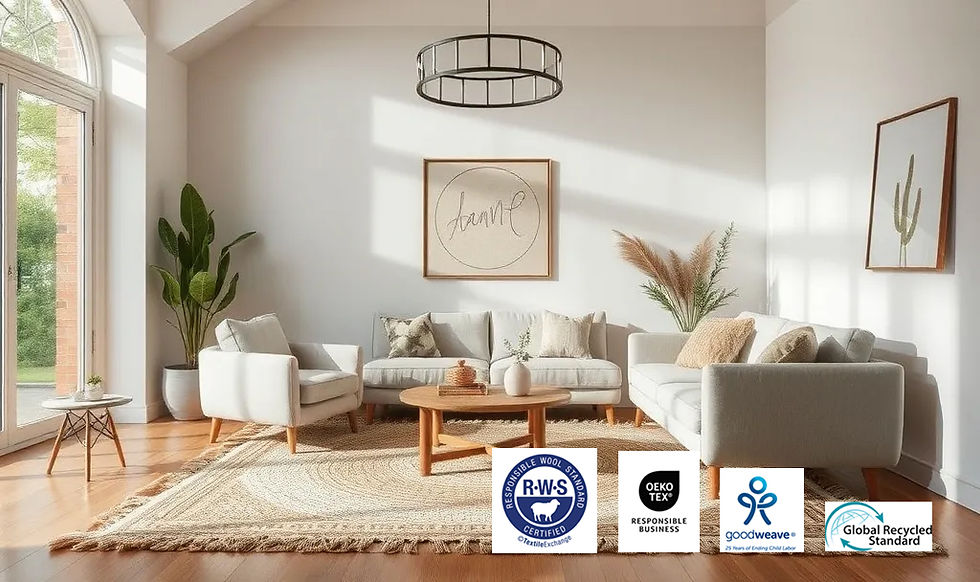
Products certified as Good weave certified rugs help reassure customers that child labor has not been used during production and that fair working conditions are being supported throughout the supply chain.
Likewise, businesses sourcing from OEKO-TEX® certified rug manufacturers can provide additional confidence regarding harmful substance testing and product safety standards.
These certifications help transform ethical claims into verifiable trust signals that strengthen consumer loyalty.

Artisan Craftsmanship Creates Human Connection
Mass production often feels impersonal to modern consumers. In contrast, handcrafted products carry visible signs of human involvement that create emotional value.
People increasingly appreciate knowing that skilled artisans have contributed time, patience, and expertise to the products they purchase.
This emotional connection becomes especially strong with Artisan made rugs, where weaving traditions are often passed through generations.
Consumers frequently perceive handcrafted products as:
More authentic
More meaningful
Higher quality
More sustainable
More culturally valuable
Ethical production reinforces these perceptions by ensuring that artisan communities are respected and fairly compensated.
Sustainable Materials Increase Consumer Appeal
Environmental responsibility has become deeply connected to ethical purchasing behavior.
Modern consumers increasingly prefer products made from renewable or biodegradable materials because they align with broader sustainability goals.
This has contributed to growing demand for:
Plant-based fibers
Organic textures
Low-impact materials
Naturally renewable resources
Products such as Natural fiber rugs continue gaining popularity because they combine visual warmth with environmentally conscious sourcing.
Similarly, materials used in Abaca rugs and Jute rugs appeal to consumers seeking interiors that feel organic, grounded, and eco-conscious.
Ethical manufacturing strengthens these sustainability benefits by ensuring that environmental considerations extend throughout the production process.
Heritage Craftsmanship Gains New Value
Global consumers are increasingly drawn toward products connected to cultural heritage and traditional artistry.
Handcrafted weaving traditions represent centuries of accumulated knowledge, regional identity, and artistic expression. Ethical production helps preserve these traditions by supporting artisan communities economically.
This is especially important for heritage weaving styles such as:
Kashmiri carpets
Tibetan rugs
Moroccan rugs
Kilims
Buyers often view these handcrafted traditions as more than decorative products. They are seen as cultural artifacts carrying stories, craftsmanship, and history.
When brands support ethical sourcing, consumers feel more comfortable investing in these heritage products because they know the communities behind them are being respected.
Ethical Manufacturing Reduces Reputational Risk
In today’s connected world, supply chain controversies can spread rapidly online. Reports involving exploitative labor practices or unethical sourcing can significantly damage a brand’s reputation.
Consumers increasingly expect home décor companies to conduct due diligence regarding manufacturing partnerships.
Brands that prioritize ethical sourcing reduce the risk of:
Negative publicity
Consumer backlash
Social media criticism
Retail partnership issues
Regulatory concerns
Ethical production is therefore not only a moral responsibility but also a long-term business protection strategy.
Companies able to demonstrate transparent sourcing practices often maintain stronger customer trust during periods of increased public scrutiny.
Quality and Ethics Are Closely Connected
Consumers frequently associate ethical manufacturing with superior craftsmanship and product quality.
This perception exists because responsible production environments often support:
Better artisan training
More consistent quality control
Lower production pressure
Higher material standards
Greater attention to detail
For example, carefully produced hand-knotted rugs often demonstrate exceptional durability and intricate craftsmanship because artisans are given the time required to complete detailed weaving work properly.
Likewise, well-finished hand-tufted rugs typically reflect organized manufacturing systems focused on long-term quality rather than rapid output alone.
Ethical production therefore contributes not only to brand reputation but also to the overall product experience itself.
Consumers Want Purpose-Driven Purchasing
Today’s buyers increasingly want purchases to reflect personal values. Home décor products are no longer selected purely for function or appearance — they are also expressions of identity and lifestyle philosophy.
Consumers often feel greater satisfaction purchasing products that:
Support artisans
Preserve traditional skills
Use sustainable materials
Promote fair labor practices
Reduce environmental impact
Ethical manufacturing allows brands to provide this deeper sense of purpose alongside visual design appeal.
This emotional value strengthens customer loyalty and encourages repeat purchasing behavior over time.
The Future of Home Décor Is Built on Trust
As global consumers continue prioritizing sustainability, transparency, and responsible sourcing, ethical manufacturing will become even more important within the home décor sector.
Brands that invest in ethical partnerships are not simply improving supply chains — they are building trust, credibility, and emotional connection with modern buyers.
In today’s interiors market, consumers want products that feel authentic, meaningful, and responsibly made. Ethical manufacturing helps transform handcrafted flooring from a decorative object into a symbol of craftsmanship, integrity, and conscious living.
For home décor brands seeking long-term growth, trust is no longer built solely through design. It is built through the values woven into every product itself.
1. Why is ethical rug manufacturing important for home décor brands?
Ethical rug manufacturing helps brands build trust by ensuring fair labor practices, responsible sourcing, safe production standards, and transparency throughout the supply chain. Modern consumers increasingly prefer products aligned with sustainability and social responsibility values.
2. What are GoodWeave certified rugs?
GoodWeave certified rugs are products made under monitored labor standards designed to prevent child labor and support ethical working conditions within the weaving industry. The certification also promotes transparency and artisan welfare.
3. How do OEKO-TEX® certified rug manufacturers benefit buyers?
OEKO-TEX® certified rug manufacturers produce rugs tested for harmful substances and chemical safety. This certification gives consumers greater confidence regarding product safety, environmental responsibility, and manufacturing quality standards.
4. Why are natural fiber rugs becoming more popular?
Natural fiber rugs are gaining popularity because they offer organic textures, eco-conscious appeal, durability, and timeless aesthetics. Materials such as jute, abaca, wool, and other renewable fibers align with modern sustainable interior design trends.
5. What makes handmade rugs different from mass-produced rugs?
Handmade rugs are crafted by skilled artisans using traditional weaving techniques, resulting in greater individuality, craftsmanship, durability, and artistic value. They often carry cultural heritage and provide a more authentic, premium interior experience compared to machine-made alternatives.


Comments