


Myth: Wool Rugs Are Impossible to Clean. Fact: Wool Is Naturally Stain‑Resistant and Cleans Beautifully with the Right Method.

Walk into any home decor forum, and you will find the same warning: “Never buy a wool rug – they are impossible to clean.” This myth has persisted for decades, scaring countless homeowners away from one of the most durable, beautiful, and sustainable flooring materials available. The truth is quite the opposite. Wool is naturally stain‑resistant, flame‑retardant, and surprisingly easy to maintain when you understand its properties. Let us bust the myth once and for all.
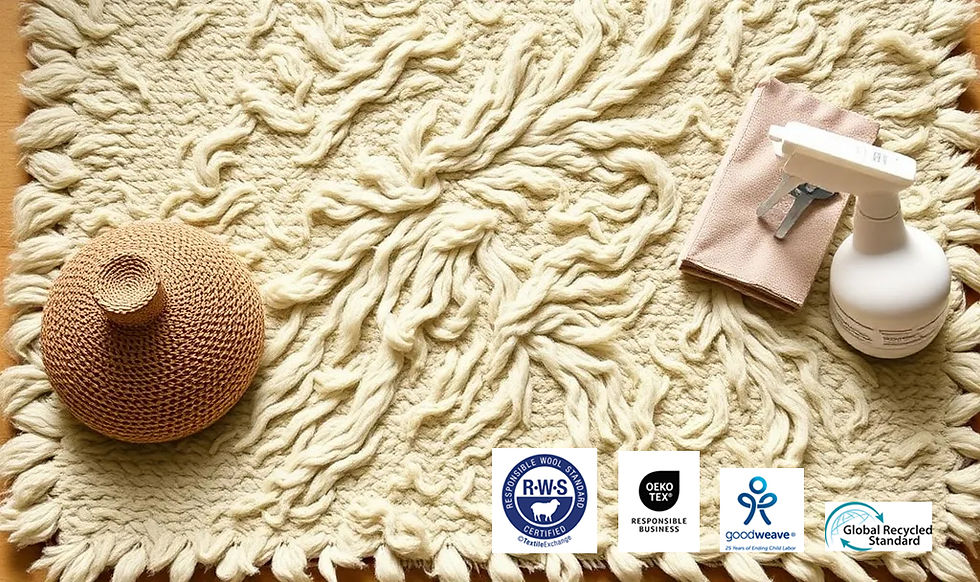
Why Wool Gets an Unfair Reputation
The misconception likely started with early synthetic detergents. Unlike cotton or polyester, wool is a protein fibre. Harsh alkaline cleaners (common in the 20th century) would damage wool, causing it to felt, shrink, or become brittle. People assumed wool itself was the problem. In reality, the cleaning method was wrong. Today, we have pH‑neutral, wool‑safe products that clean effectively without harming the fibre.
Another source of confusion is that wool rugs are often expensive. Owners are terrified of ruining an investment, so they avoid cleaning altogether. Dirt builds up, stains set, and the rug looks worse – reinforcing the belief that wool is high‑maintenance. The correct approach is regular, gentle care.
The Natural Stain Resistance of Wool
Wool fibres have a natural protective outer layer called the cuticle, made of overlapping scales. This structure repels liquid initially, giving you time to blot a spill before it penetrates. Unlike synthetics that can absorb oil instantly, wool causes liquids to bead on the surface. Red wine, coffee, and juice – if attended to immediately – will not leave a permanent mark.
Additionally, wool contains lanolin, a natural wax that provides mild water resistance. While processing removes most lanolin, trace amounts remain, contributing to the fibre’s ability to shrug off spills. For New Zealand wool rugs, which are prized for their long, strong fibres, this natural stain resistance is even more pronounced. The dense crimp of New Zealand wool creates a resilient surface that resists crushing and dirt embedding.
Proven Cleaning Methods That Work
The right method is simple. For everyday maintenance, vacuum your wool rug weekly using a suction‑only head or a beater bar set to a high pile setting. Never use a rotary brush on high‑pile wool – it can pull fibres. For spills, act immediately: blot (do not rub) with a clean, white cloth. Work from the outside of the spill inward to prevent spreading. If a stain remains, mix a solution of mild dish soap (pH‑neutral) and lukewarm water. Dab, then blot with a dry cloth. Rinse by dabbing with a cloth dampened with plain water. Repeat until the stain lifts.
For deeper cleaning, professional hot‑water extraction (steam cleaning) performed annually is ideal. Choose a technician experienced with wool. They will use low moisture and wool‑safe detergents. After cleaning, allow the rug to dry completely in a well‑ventilated area away from direct sunlight, which can fade colours. With this routine, a Moroccan rugs piece or any other wool creation will stay beautiful for decades.
Why Designers and Manufacturers Recommend Wool
Designer rugs often feature wool as the primary material because it accepts dyes superbly, offering rich, long‑lasting colour. Wool also has natural UV resistance, meaning it fades less quickly than many synthetics. For premium quality rugs, wool is the gold standard – soft underfoot, naturally flame‑retardant (no chemical treatments needed), and biodegradable at end of life.
A rug manufacturer from India like PiHue sources wool from certified farms, ensuring the fibre is clean, consistent, and free from defects. Our artisans then hand‑knot or hand‑tuft the wool into patterns that range from traditional medallions to contemporary abstracts. The result is a floor covering that performs as beautifully as it looks.
Customisation Without Compromise
For clients who need specific dimensions or exclusive designs, custom wool rugs are an ideal solution. Wool’s versatility allows for tight knot densities (150–200 KPSI) and intricate motifs. A custom wool rug can be shaped to fit an awkward alcove, coloured to match a brand palette, or woven with a logo for corporate branding. The same stain‑resistant properties apply – your bespoke piece will be as practical as it is personalised.
Wool in Everyday Living Spaces
Area rugs made from wool are perfect for high‑traffic zones like hallways and open‑plan living areas. The fibres bounce back after compression, so furniture indentations disappear after vacuuming. Wool also absorbs sound, reducing echo in large rooms. For living room rugs, where families gather, eat, and play, wool offers a forgiving surface. A spilled glass of juice? Blot it. Crumbs from popcorn? Vacuum them. Pet accidents? Enzyme cleaners designed for wool remove odours without damage.
The natural crimp of wool traps dust and allergens, improving indoor air quality – provided you vacuum regularly with a HEPA filter. Unlike smooth surfaces that allow allergens to recirculate, wool holds them until removed.
An Unexpected Application: Corporate Gifts
Beyond residential use, wool rugs have found a surprising niche as corporate gifts. Companies commission custom wool runners or area rugs with their logos as year‑end gifts for top clients or as opening day presents for new office spaces. The durability and stain resistance of wool ensure that the gift remains beautiful for years, constantly reminding the recipient of the brand that gave it. A high‑quality wool rug is a gift that keeps giving – unlike a branded pen or a fruit basket.
The Verdict
The myth that wool rugs are impossible to clean is just that – a myth. With the right methods – blotting spills promptly, using pH‑neutral cleaners, and professional steam cleaning annually – wool rugs not only survive but thrive. They resist stains naturally, hide soil well, and clean up beautifully. The next time you hear someone warn against wool, share this fact: wool is not the problem; outdated cleaning techniques were. Invest in a wool rug with confidence, and enjoy its warmth, beauty, and resilience for generations.
1. What should I do immediately after spilling red wine or coffee on my wool rug?
Blot the spill immediately with a clean, dry white cloth. Do not rub, as rubbing pushes the liquid deeper into the fibres. Work from the outside of the spill inward to prevent spreading. Wool’s natural cuticle causes liquids to bead on the surface, giving you a few seconds to absorb most of the spill. After blotting, dab the area with a solution of mild, pH‑neutral dish soap and lukewarm water, then blot dry with a clean cloth. For persistent stains, contact a professional wool rug cleaner.
2. Is it safe to steam clean a wool rug?
Yes, but only with the right equipment and technique. Professional hot‑water extraction (steam cleaning) performed annually by a technician experienced with wool is ideal. They will use low moisture, wool‑safe detergents, and controlled temperatures to prevent felting or shrinking. After cleaning, allow the rug to dry completely in a well‑ventilated area away from direct sunlight. Avoid DIY steam cleaning machines with high heat or harsh chemicals, as these can damage the wool fibres.
3. Why do people say wool rugs are high‑maintenance if they are naturally stain‑resistant?
The misconception stems from outdated cleaning methods. Early synthetic detergents and harsh alkaline cleaners damaged wool, causing felting or brittleness. People blamed the fibre rather than the cleaner. Modern pH‑neutral, wool‑safe products and proper techniques (blotting, gentle dabbing, low‑moisture extraction) make wool rugs easy to maintain. Regular vacuuming and prompt spill attention are all that is needed. Wool’s natural lanolin and cuticle layer actually repel liquids better than many synthetic fibres, making it less prone to permanent staining when cared for correctly


Comments