


Rugs for Wellness Retreats: Design Trends in Luxury Hospitality

The global wellness tourism market is booming. Travellers no longer seek just a comfortable bed and a pool; they want transformation, relaxation, and connection with nature. For luxury wellness retreats, every design element must contribute to a sense of calm, purity, and intention. Floor coverings are no exception. The right rug can anchor a meditation space, soften a yoga studio, or bring organic texture to a spa lounge. Below are the key design trends and material choices shaping handmade rugs for hotels in the wellness sector.

The Shift Toward Biophilic Serenity
Wellness retreats prioritise biophilic design—the practice of bringing natural elements indoors. Rugs in this category move away from loud patterns and synthetic fibres. Instead, they embrace muted earth tones, organic shapes, and textures that mimic forest floors or riverbeds. The goal is to create a space where guests feel grounded and disconnected from daily stressors. A rug is not just a decorative accessory; it is a tool for mindfulness.
Defining Spaces Without Walls
Open‑plan retreats use rugs to define zones: a meditation corner, a tea ceremony area, a reading nook. Luxury rugs in these settings are often oversized, extending well under furniture to create visual continuity. The pile is typically low to medium, allowing guests to walk barefoot without tripping. Patterns, if present, are subtle—like a barely‑there watercolour wash or a fine organic grid. Solid, undyed wools are particularly popular for their understated elegance.
The Yoga Rug: A Mat Extended
A dedicated yoga space requires flooring that provides grip, cushioning, and a clear boundary. Retreat rugs designed for yoga studios often feature a dense, flatweave construction that does not shift during movement. Natural latex backings prevent slipping on hard floors. Some retreats commission custom rugs with subtle alignment markers or chakra colour accents. The texture should be firm enough for standing poses yet soft enough for savasana. Wool is a preferred fibre because it naturally wicks moisture and resists odours.
Yoga rugs also serve as a hygienic barrier between the body and the floor. In group settings, individual mats may be placed over a large rug, but the rug itself should be easy to clean. Look for stain‑resistant treatments and anti‑microbial finishes that do not rely on harsh chemicals. For eco‑conscious retreats, biodegradable materials are a must.
Sourcing with Integrity
Wellness is not just about personal health; it extends to the health of communities and the planet. Discerning retreat owners seek a handmade carpet manufacturer from India that prioritises worker welfare and environmental stewardship. India’s carpet belt—Bhadohi, Mirzapur, and Jaipur—has a long tradition of hand‑weaving. But not all workshops operate ethically. Look for an ethical rug manufacturer that provides transparency on wages, working conditions, and supply chains.
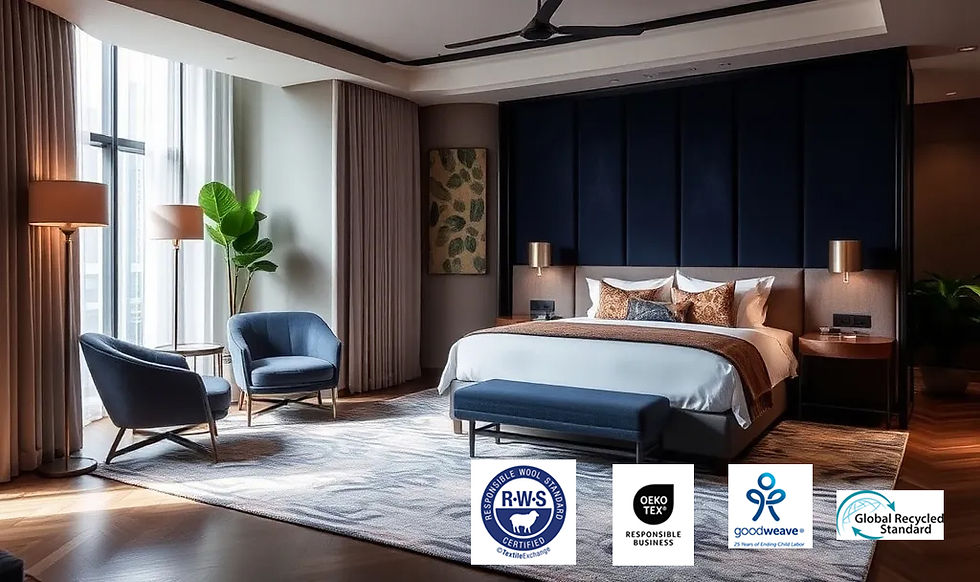
Good weave certified rugs are the gold standard for social responsibility. GoodWeave conducts unannounced inspections to ensure no child, forced, or bonded labour is used. For a wellness retreat that markets itself as conscious, displaying GoodWeave certification on product tags or in marketing materials builds trust with guests who care about ethical sourcing.
Natural Fibres for Holistic Comfort
The material of a rug affects not only its look but also the indoor environment. Synthetic fibres can off‑gas volatile organic compounds (VOCs), which contradict the clean‑air ethos of a wellness retreat. Natural fibres are the clear choice.
Wool rugs are the most versatile. Wool is naturally flame‑retardant, stain‑resistant, and resilient. It regulates humidity, reducing static and dust mites. For a yoga studio or spa, wool’s softness underfoot is a welcome luxury. Choose undyed or vegetable‑dyed wool for a palette that harmonises with nature.
Abaca rugs are a newer entrant to the luxury market. Abaca, derived from Philippine banana plants, is twice as strong as jute and resists moisture and mildew. Its silky, golden sheen adds warmth without gloss. Abaca works beautifully in humid environments such as poolside changing rooms or tropical spa villas. The fibre is renewable and biodegradable, aligning with zero‑waste goals.
Jute rugs offer a coarser, more rustic texture. Jute is affordable, fast‑growing, and requires minimal chemical inputs. Its earthy brown tones ground a space, making it ideal for meditation areas or outdoor covered patios. However, jute absorbs moisture easily, so avoid placing it in bathrooms or direct contact with potted plants.
Sisal rugs provide a structured, tailored look. Sisal fibres are extracted from agave leaves, yielding a stiff, durable surface. Sisal is naturally anti‑static and resists staining. It works well in high‑traffic areas such as retreat reception lounges or dining halls. The neutral, linen‑like appearance complements both modern and rustic interiors.
For the ultimate luxury, silk rugs bring an unmatched sheen and softness. Silk is delicate, best reserved for low‑traffic spaces like a private suite or a VIP meditation room. A silk rug catches candlelight beautifully, creating a serene, luminous atmosphere. When blended with wool, silk adds lustre without sacrificing durability.
Colour Psychology for Healing Spaces
Colour plays a crucial role in wellness design. Soft greens evoke nature and renewal. Blues and lavenders promote calm and rest. Warm taupes and creams create a nurturing embrace. Avoid high‑contrast patterns or bright primaries, which can overstimulate. Instead, choose rugs with subtle tonal variations—a shift from sand to stone, or a gentle ombré from mist to sky.
Maintenance for Longevity
Wellness retreats see continuous use. Rugs must be easy to clean and maintain. Regular vacuuming with a suction‑only head prevents fibre damage. Spot cleaning should use pH‑neutral, fragrance‑free products. For deep cleaning, schedule professional low‑moisture extraction every 12–18 months. Rotate rugs seasonally to ensure even wear. With proper care, a high‑quality natural fibre rug will retain its beauty for years, supporting countless guests on their wellness journeys.
Final Thoughts
The rug beneath a yoga mat or beside a spa bath is more than a floor covering. It is an invitation to slow down, breathe deeply, and reconnect. By choosing natural fibres, ethical manufacturing, and thoughtful design, wellness retreats can offer guests a truly holistic experience—from the soles of their feet to the quiet of their minds.
1. What type of rug is best for a yoga studio or meditation space?
A dense, flatweave rug with a natural latex backing offers grip and stability for yoga poses. Wool is an excellent choice because it wicks moisture, resists odours, and provides cushioning without being too plush. For meditation areas, a low‑pile, undyed wool or jute rug in a neutral earth tone creates a calm, grounded atmosphere. Avoid high‑pile or shaggy rugs that can shift during movement.
2. Why are GoodWeave certified rugs important for wellness retreats?
Wellness retreats market themselves as conscious, ethical spaces. GoodWeave certification guarantees that no child labour, forced labour, or bonded labour was used in the rug’s production. It involves unannounced factory inspections and full supply chain transparency. Displaying GoodWeave certification aligns with a retreat’s values of holistic health, extending care from guests to the artisans who create the furnishings.
3. Which natural fibre is most suitable for humid environments like spa lounges or poolside areas?
Abaca is ideal for humid conditions. Abaca fibre, derived from Philippine banana plants, is twice as strong as jute and naturally resists moisture, mildew, and saltwater damage. It has a silky, golden sheen that adds warmth without being slippery. Sisal is also durable but less moisture‑resistant; jute should be avoided in damp areas as it absorbs water and can develop mould.
Working with a certified carpet manufacturer in India ensures quality, ethics, and reliable delivery for every project.


Comments